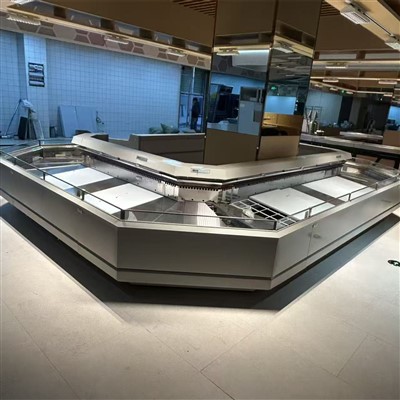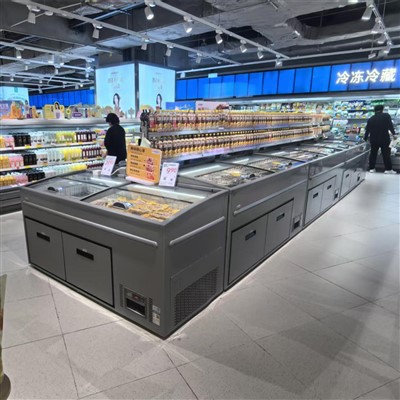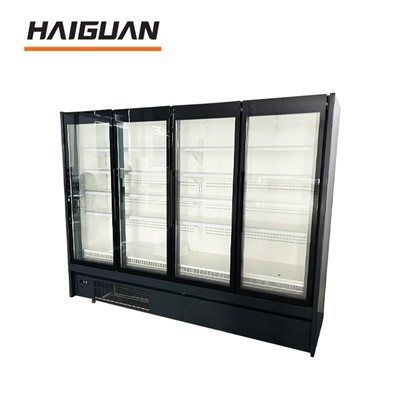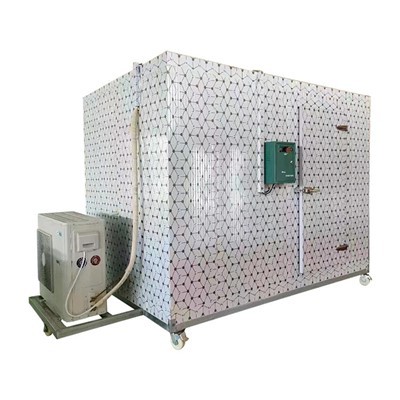

When it comes to the retail and supermarket industry, Air Curtain Merchandisers play a pivotal role in keeping products fresh and attracting customers. As a supplier of Air Curtain Merchandisers, I understand the importance of accurately measuring their performance. In this blog, I will share some key aspects and methods to measure the performance of an Air Curtain Merchandiser.
Temperature Control
One of the most critical factors in the performance of an Air Curtain Merchandiser is its ability to maintain a consistent temperature. The temperature inside the merchandiser should be within a specific range depending on the type of products being stored. For example, dairy products typically require a temperature between 2°C - 8°C, while frozen foods need to be kept at -18°C or lower.
To measure the temperature performance, we can use temperature sensors placed at different locations inside the merchandiser. These sensors can provide real - time data on the temperature variations. We can also conduct long - term temperature monitoring over a period of several days or weeks. By analyzing the data, we can determine if the merchandiser is capable of maintaining the desired temperature consistently. If there are significant temperature fluctuations, it could indicate problems with the refrigeration system, such as a faulty compressor or poor insulation.
Air Curtain Effectiveness
The air curtain is a key feature of an Air Curtain Merchandiser. It acts as a barrier between the cold air inside the merchandiser and the warm air outside. A well - functioning air curtain can significantly reduce the heat transfer between the inside and outside of the unit, thereby improving energy efficiency and maintaining product quality.
To measure the effectiveness of the air curtain, we can use anemometers to measure the air velocity at different points across the opening of the merchandiser. The air velocity should be uniform across the entire opening. A non - uniform air velocity may lead to areas where the air curtain is weak, allowing warm air to enter the merchandiser. Additionally, we can use thermal imaging cameras to visualize the temperature distribution across the air curtain. This can help us identify any areas where the air curtain is not effectively blocking the warm air.
Energy Efficiency
Energy efficiency is an important consideration for both retailers and suppliers. An energy - efficient Air Curtain Merchandiser can reduce operating costs and have a lower environmental impact. To measure the energy efficiency of an Air Curtain Merchandiser, we can calculate its energy consumption over a specific period.
We can use power meters to measure the electrical power consumed by the merchandiser. By recording the power consumption at different times of the day and under different operating conditions, we can calculate the total energy consumption. We can also compare the energy consumption of different models of Air Curtain Merchandisers to determine which ones are more energy - efficient.


Another way to assess energy efficiency is to calculate the coefficient of performance (COP). The COP is the ratio of the cooling capacity of the refrigeration system to the electrical power input. A higher COP indicates a more energy - efficient system.
Product Visibility and Accessibility
The performance of an Air Curtain Merchandiser is not only about temperature control and energy efficiency but also about product visibility and accessibility. Customers should be able to easily see and access the products inside the merchandiser.
We can measure product visibility by conducting customer surveys. Ask customers if they can clearly see the products and if the lighting inside the merchandiser is sufficient. We can also use visual inspection methods to check for any obstructions that may block the view of the products.
For product accessibility, we can measure the ease of reaching the products. This can be evaluated by measuring the distance from the front of the merchandiser to the products and the height at which the products are placed. A well - designed Air Curtain Merchandiser should allow customers to access the products without having to stretch or bend too much.
Durability and Reliability
A durable and reliable Air Curtain Merchandiser is essential for long - term use. To measure the durability, we can conduct stress tests on the unit. For example, we can subject the merchandiser to different temperature and humidity conditions to simulate real - world scenarios. We can also test the mechanical components, such as the doors, shelves, and fans, to ensure they can withstand regular use.
Reliability can be measured by monitoring the frequency of breakdowns and the time required for repairs. A reliable Air Curtain Merchandiser should have a low breakdown rate and be easy to repair when problems occur.
Comparison with Other Refrigeration Equipment
As a supplier, it is also important to compare the performance of Air Curtain Merchandisers with other types of refrigeration equipment, such as Stackable Refrigerator and Flower Refrigerator. Each type of equipment has its own advantages and disadvantages.
For example, stackable refrigerators are more suitable for storing a large quantity of products in a limited space, while flower refrigerators are designed to maintain the specific temperature and humidity requirements for flowers. By comparing the performance of Air Curtain Merchandisers with these other types of equipment, we can better understand their unique selling points and help customers make more informed decisions.
Conclusion
Measuring the performance of an Air Curtain Merchandiser is a comprehensive process that involves multiple aspects, including temperature control, air curtain effectiveness, energy efficiency, product visibility and accessibility, durability, and reliability. By accurately measuring these factors, we can ensure that our Air Curtain Merchandisers meet the high - quality standards expected by our customers.
If you are interested in purchasing an Air Curtain Merchandiser or have any questions about its performance, please feel free to contact us for a detailed discussion and procurement negotiation. We are committed to providing you with the best products and services.
References
- ASHRAE Handbook - Refrigeration. American Society of Heating, Refrigerating and Air - Conditioning Engineers.
- ISO standards related to commercial refrigeration equipment. International Organization for Standardization.