What Is Supermarket Refrigeration?
Supermarket refrigeration is a category of commercial refrigeration systems engineered to store, display, and preserve chilled and frozen food in retail environments. For global procurement teams, success depends not merely on choosing an equipment model, but on ensuring the complete refrigeration configuration matches the store's operating conditions, energy requirements, and international compliance mandates.
A comprehensive retail refrigeration solution typically integrates:
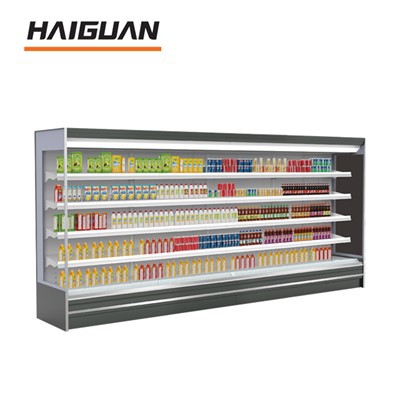
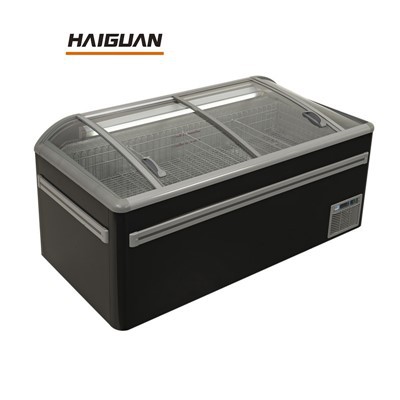
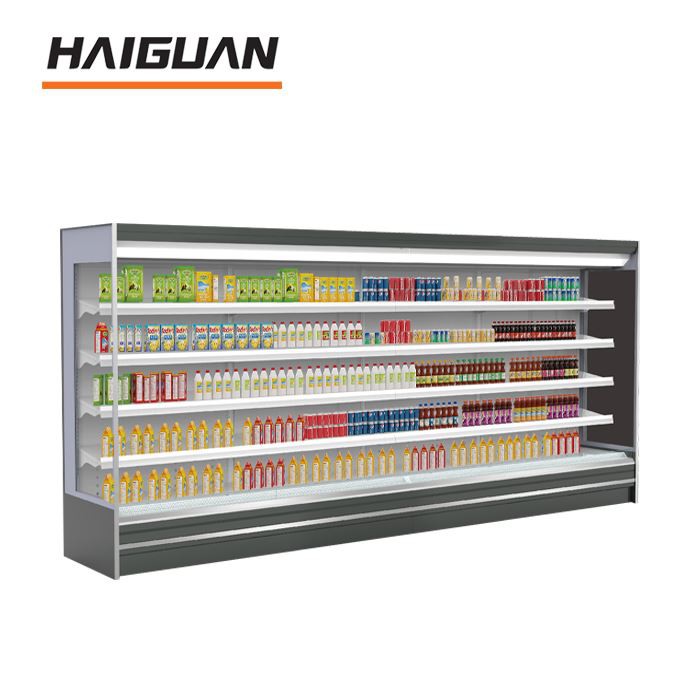
Display & Merchandising: Open multideck cases, glass-door refrigerators, serve-over counters, meat/seafood displays, deli/dairy cases, produce refrigeration, and frozen food island cases.
Storage & Infrastructure: Walk-in cold rooms and back-of-store bulk storage facilities.
System Core & Controls: Centralized compressor plants, distributed condensing units, evaporators, refrigeration piping, electronic expansion valves, and automated data-logging controls.
Equipment selection must be driven by product temperature, store layout, refrigeration load, and specific thermal characteristics rather than treating all retail applications uniformly.
-
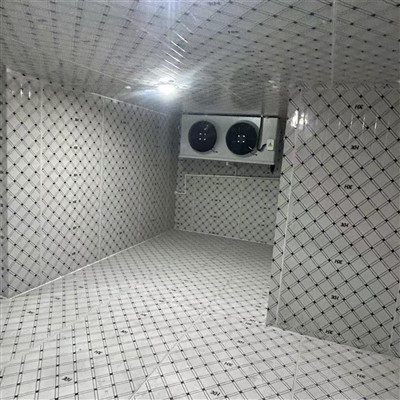
![Frozen Cold Storage]() Frozen Cold StorageThis frozen cold storage is designed for ultra-low-temperature storage applications ranging from −18 °C to −50 °C. Its core configuration features high-density polyurethane rigid foam cold-storage panels (thickness 50–200 mm,read more
-
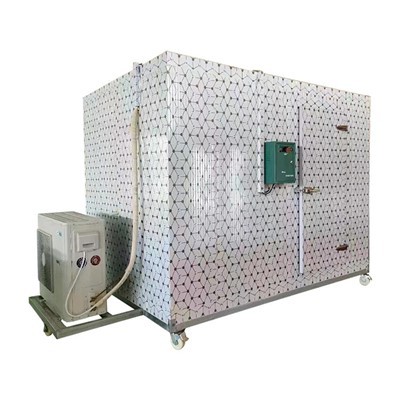
![Low Temperature Cold Storage Warehouse]() Low Temperature Cold Storage WarehouseThis Low Temperature Cold Storage Warehouse is specifically designed for refrigeration applications ranging from 0 °C fresh-keeping to −18 °C freezing. It features a core made of high-density polyurethane rigid foam cold-storage panels,read more
-
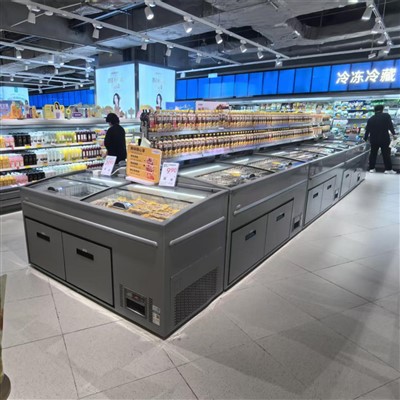
![Horizontal Commercial Freezer]() Horizontal Commercial FreezerThis Horizontal commercial freezer is a core display equipment for supermarkets, integrating both display and storage functions. The upper section is an open display area with a capacity of 120–200 L, while the lower section is a closedread more
-
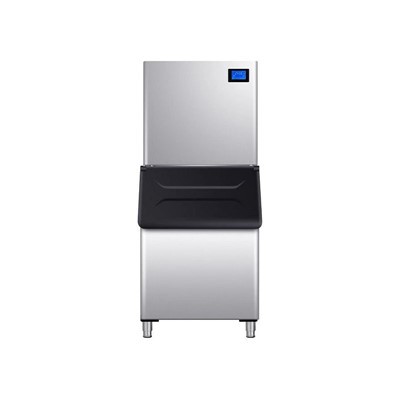
![Granular Ice Machine]() Granular Ice MachineThis granular ice machine is designed specifically for supermarket counters, fresh food sections, and beverage areas—also ideal for convenience stores and small catering spots—with a daily ice production capacity ranging from 50 to 500 kg.read more
-
![Air Curtain Cabinet]() Air Curtain CabinetThis air curtain cabinet is core display equipment for fruits, vegetables, dairy products, and beverages in supermarkets. It features a split design in which the refrigeration unit and cabinet are separated, with operating noise levels ofread more
-
![Island Freezer]() Island FreezerThis Island Freezer is designed specifically for high-density display of frozen foods in supermarkets, supporting dual-sided access for convenient operation from both sides. The cabinet length ranges from 3 to 6 m, with an effective volumeread more
-
![Pharmaceutical Cold Storage]() Pharmaceutical Cold StorageThis Pharmaceutical Cold Storage is designed for pharmacy areas within supermarkets and strictly complies with GSP certification standards. It offers a temperature control accuracy of ≤±0.5 °C and supports dual temperature zones of 2–8 °Cread more
-
![Flower Refrigerator]() Flower RefrigeratorThis Flower Refrigerator is core preservation equipment for flower sections in supermarkets and hypermarkets. It maintains a temperature range of 5 °C to 10 °C and a controllable humidity range of 80% to 95%, extending flower freshness byread more
-
![Stackable Refrigerator]() Stackable RefrigeratorThis is a Stackable Refrigerator consisting of a main cabinet and a sub-cabinet. The main cabinet has a volume of 300–500 L, while the sub-cabinet has a volume of 100–200 L. The overall temperature is controlled within a range of 2 °C to 8read more
-
![Glass Top Island Freezer]() Glass Top Island FreezerThis glass top island freezer features an extra-large viewing window as its core highlight, ideal for showcasing ice creams, frozen meats, and ready-to-eat meals. The window area is 30% larger than that of conventional island cabinets,read more
-
![Backstock Walk-In Cooler]() Backstock Walk-In CoolerThis Backstock Walk-In Cooler is designed specifically for the “front store, back warehouse” supermarket model. The front section connects directly to the sales area through a pick-up door, while the rear section functions as aread more
-
![Air Curtain Cooler]() Air Curtain CoolerThis air curtain cooler combines vertical display with air-curtain-assisted preservation. The cabinet height ranges from 1.8 to 2.2 m, with a length of 2 to 6 m, an effective volume of 400–1,000 L, and a temperature control range of 2 °Cread more


Supermarket Refrigeration Product Types & Applications
|
Refrigeration Type |
Typical Use Application |
Main Selection Considerations |
|
Open Multideck Refrigeration |
Dairy, beverages, packaged food, fresh produce |
Product temperature stability, optimized air circulation, adjustable shelf configurations, store layout |
|
Glass-Door Refrigeration |
Chilled food, dairy, beverages, packaged goods |
Door thermal performance, visual transparency, energy consumption reduction, access frequency |
|
Meat & Seafood Cases |
Fresh meat, poultry, specialized seafood |
Precise temperature control, humidity management, hygiene compliance, specialized drainage design |
|
Deli & Serve-Over Cases |
Prepared foods, specialty cheeses, gourmet items |
Product presentation, temperature stability, ergonomic loading methods, food safety |
|
Produce Refrigeration |
Fresh fruits and vegetables |
Gentle airflow design, humidity preservation, product sensitivity management, display area layout |
|
Frozen Food Cases & Islands |
Frozen packaged goods and bulk merchandising |
Low-temperature performance, efficient defrost strategy, frost control, multi-side store access |
|
Walk-In Cold Rooms |
Back-of-store bulk inventory and staging |
Total storage capacity, insulation panel thickness, access frequency, precise temperature control |
|
Centralized & Distributed Systems |
Hypermarkets, supermarkets, and large retail stores |
Total refrigeration load, compressor staging architecture, intelligent controls, service accessibility |
Engineering Specification Framework: 5-Step Selection Process
Procurement and engineering teams should specify refrigeration systems using a structured, application-first methodology:

Step 1: Define the Product and Thermal Load
Different food categories dictate entirely different engineering parameters:
Specify exact product category, required product core temperature, and necessary air temperature.
Determine whether the application is fresh or frozen, packaging format, loading patterns, and product turnover frequency.
Step 2: Define the Display and Merchandising Format
The physical configuration impacts both customer merchandising and thermodynamic performance:
Evaluate open-front access versus closed glass-door efficiency.
Factor in display dimensions, shelf quantities, customer traffic density, and available floor space.
Step 3: Calculate the Comprehensive Refrigeration Load
Avoid sizing equipment solely by nominal capacity. Critical calculation inputs include:
Product cooling load, ambient store temperature, and relative humidity.
Door opening frequency, lighting thermal load, defrost cycles, infiltration load, and pull-down requirements.
Step 4: Select the Refrigerant and System Architecture
Align the system architecture with global environmental standards and local codes:
Specify modern low-GWP refrigerants (such as CO2 transcritical systems, R290, or compliant HFO blends) meeting international environmental directives (e.g., F-Gas regulations).
Balance centralized multi-compressor racks against distributed modular condensing units based on store size and redundancy requirements.
Step 5: Verify Site Installation Conditions
Before finalizing purchase orders, confirm spatial and utility constraints:
Available installation space, electrical supply specifications (voltage, phase, frequency), and refrigeration piping routes.
Condenser outdoor placement, adequate ventilation, drainage infrastructure, and service clearance access.

Key Technical Parameters for Global Procurement
When evaluating global suppliers, procurement teams should request comprehensive, comparable technical data rather than relying on general marketing claims:
Refrigeration Performance
Rated refrigeration capacity, evaporating and condensing temperatures, load assumptions, pull-down performance, and defrost recovery times.
Electrical Compliance
Rated voltage, frequency, phase, connected electrical load, compressor/fan/lighting power, and starting current requirements matching the destination market.
Construction & Materials
High-density polyurethane insulation panels, corrosion-resistant interior/exterior stainless steel or coated finishes, structural glass specifications (e.g., Low-E, heated glass), and cleanability standards.
Component Quality
Reputable international brands for compressors, expansion valves, controllers, and sensors to ensure global spare parts availability.
Manufacturing, Quality Control, and Testing Points
To mitigate project risk, B2B buyers should verify that suppliers execute strict Factory Acceptance Testing (FAT) protocols:
-
Incoming Material Inspection
Raw materials and core components checked against stringent internal specifications before assembly.
-
Circuit Integrity & Pressure Testing
Rigorous brazed joint inspection, pressure testing, and helium leak testing of the refrigeration circuit.
-
Electrical Safety Testing
Comprehensive high-voltage withstand testing, grounding continuity checks, and control logic verification.
-
Operational Performance Simulation
Factory running tests verifying temperature pull-down, defrost cycles, and sensor calibration.
Frequently Asked Questions
We are one of the most professional supermarket refrigeration manufacturers in China, also support customized service with low price. Please rest assured to wholesale bulk high quality supermarket refrigeration for sale here from our factory. If you have any enquiry about quotation, please feel free to email us.
Combined Island Freezer, Household Refrigerator, Horizontal Commercial Freezer-
![Frozen Cold Storage]() Frozen Cold StorageThis frozen cold storage is designed for ultra-low-temperature storage applications ranging from −18 °C to −50 °C. Itsread more
-
![Low Temperature Cold Storage Warehouse]() Low Temperature Cold Storage WarehouseThis Low Temperature Cold Storage Warehouse is specifically designed for refrigeration applications ranging from 0 °Cread more
-
![Horizontal Commercial Freezer]() Horizontal Commercial FreezerThis Horizontal commercial freezer is a core display equipment for supermarkets, integrating both display and storageread more
-
![Granular Ice Machine]() Granular Ice MachineThis granular ice machine is designed specifically for supermarket counters, fresh food sections, and beverageread more
-
![Air Curtain Cabinet]() Air Curtain CabinetThis air curtain cabinet is core display equipment for fruits, vegetables, dairy products, and beverages inread more
-
![Island Freezer]() Island FreezerThis Island Freezer is designed specifically for high-density display of frozen foods in supermarkets, supportingread more