
As a pharmaceutical cold storage supplier, I understand the critical role that internal partitions play in maintaining the integrity and efficiency of pharmaceutical storage. In this blog post, I will delve into the requirements for internal partitions in pharmaceutical cold storage, exploring their importance, design considerations, and the impact they have on product quality and safety.
Importance of Internal Partitions in Pharmaceutical Cold Storage
Internal partitions serve several crucial functions in pharmaceutical cold storage. Firstly, they help to create distinct temperature zones within the storage facility. Different pharmaceutical products may require specific temperature ranges for optimal storage. For instance, vaccines often need to be stored at a very precise temperature, typically between 2°C and 8°C. By using partitions, we can separate these temperature - sensitive products from others that may tolerate slightly different temperature conditions, ensuring that each product is stored under the ideal environment.
Secondly, partitions enhance the organization of the storage space. They allow for better categorization of pharmaceutical products, making it easier for employees to locate and retrieve items. This not only improves operational efficiency but also reduces the risk of errors in product handling.
Moreover, partitions act as barriers against the spread of contaminants. In a pharmaceutical cold storage facility, maintaining a clean and sterile environment is of utmost importance. Partitions can prevent the cross - contamination of different products, protecting the quality and safety of the pharmaceuticals.
Design Requirements for Internal Partitions
Material Selection
The choice of materials for internal partitions is a crucial factor. The materials must be able to withstand the low temperatures of the cold storage environment. Stainless steel is a popular choice due to its durability, corrosion resistance, and ease of cleaning. It can maintain its structural integrity even in extreme cold conditions and is less likely to harbor bacteria or other contaminants.
Another option is high - density polyethylene (HDPE). HDPE is lightweight, impact - resistant, and has good chemical resistance. It is also relatively easy to fabricate, allowing for customized partition designs.
Insulation
Insulation is a key aspect of partition design. The partitions should have high - quality insulation to minimize heat transfer between different temperature zones. This helps to maintain the desired temperature within each area and reduces energy consumption. Insulation materials such as polyurethane foam or expanded polystyrene can be used to achieve this. The insulation should be properly installed to ensure there are no gaps or weak points that could allow heat to leak through.
Sealing
Proper sealing of the partitions is essential to prevent air leakage. Gaskets and seals should be used at the joints and edges of the partitions to create an air - tight barrier. This not only helps to maintain the temperature but also prevents the entry of dust, moisture, and other contaminants.
Fire Resistance
In a pharmaceutical cold storage facility, fire safety is a major concern. The partitions should be made of fire - resistant materials or have a fire - rated coating. This can help to contain a fire in case of an emergency, protecting the valuable pharmaceutical products and the overall facility.
Compatibility with Cold Storage Equipment
Internal partitions need to be compatible with the cold storage equipment in the facility. For example, they should not interfere with the operation of the refrigeration units. The partitions should be designed in such a way that they do not block the air circulation paths of the cooling systems. This ensures that the cold air can be evenly distributed throughout the storage space, maintaining a consistent temperature.
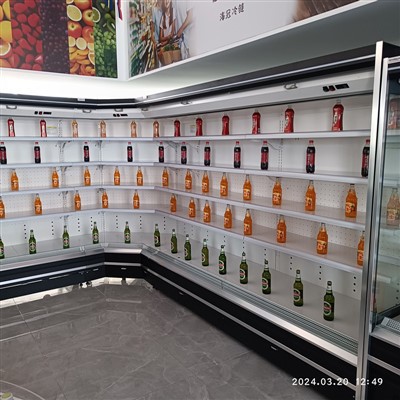
If the cold storage facility uses Air Curtain Display Cooler, the partitions should be installed in a manner that does not disrupt the air curtain. The air curtain is designed to prevent warm air from entering the cold storage area, and any interference with it can lead to temperature fluctuations.
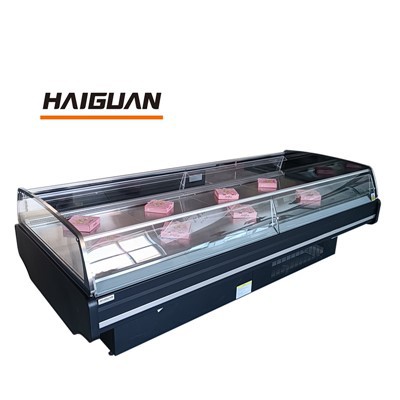
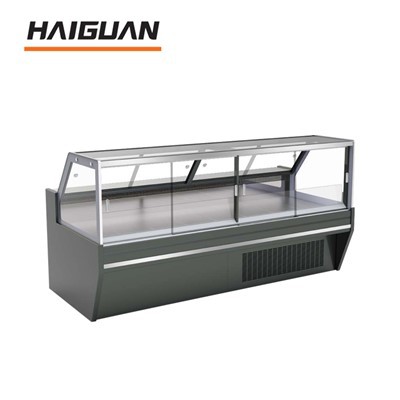
Similarly, when using Combined Island Freezer or Air Curtain Merchandiser, the partitions should be configured to work in harmony with these equipment. This may involve ensuring that there is enough space around the equipment for proper maintenance and operation.


Regulatory Compliance
Pharmaceutical cold storage facilities are subject to strict regulations. The internal partitions must comply with relevant industry standards and regulations. For example, in many countries, the partitions should meet the requirements of Good Manufacturing Practice (GMP) guidelines. These guidelines ensure that the storage environment is suitable for pharmaceutical products and that the partitions do not pose any risks to product quality.
The partitions should also be in line with local building codes and safety regulations. This includes requirements for fire safety, structural integrity, and environmental protection.
Maintenance and Cleaning
Internal partitions need to be easy to maintain and clean. They should be designed with smooth surfaces that can be easily wiped down. This helps to prevent the accumulation of dirt, dust, and microorganisms. Regular cleaning of the partitions is essential to maintain a clean and hygienic storage environment.
In addition, the partitions should be inspected regularly for any signs of damage or wear. Any damaged partitions should be repaired or replaced promptly to ensure the continued effectiveness of the cold storage facility.
Conclusion
In conclusion, the internal partitions in pharmaceutical cold storage play a vital role in maintaining the quality, safety, and efficiency of the storage environment. The requirements for these partitions are multifaceted, encompassing material selection, insulation, sealing, fire resistance, compatibility with equipment, regulatory compliance, and maintenance.
As a pharmaceutical cold storage supplier, we are committed to providing high - quality partitions that meet all these requirements. Our partitions are designed and manufactured with the latest technology and materials to ensure optimal performance.
If you are in the market for pharmaceutical cold storage solutions, we invite you to contact us for a consultation. Our team of experts can help you design and install the perfect internal partitions for your specific needs. We look forward to working with you to create a safe and efficient pharmaceutical cold storage facility.
References
- "Good Manufacturing Practice for Medicinal Products" - European Union guidelines
- "Cold Chain Management in the Pharmaceutical Industry" - Industry white paper
- "Materials for Cold Storage Applications" - Research paper on materials science for cold environments