
Hey there! As a supplier of refrigerated display cases, I've seen firsthand the differences between these specialized units and regular refrigerators. In this blog post, I'll break down the key aspects to help you understand which option might be best for your needs.
Design and Functionality
Let's start with the design. Regular refrigerators are typically designed for home use or small - scale commercial settings. They're built to store food and beverages for personal consumption or a small group. They usually have a simple layout, with shelves and compartments inside a closed cabinet.
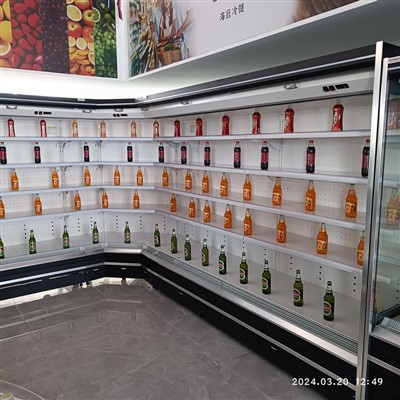
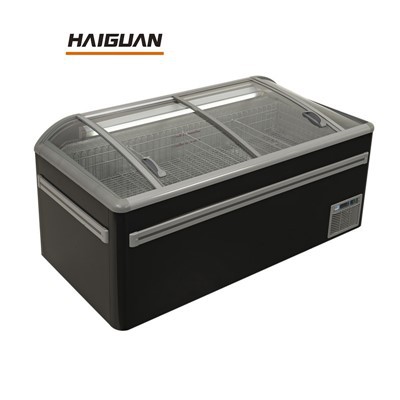
On the other hand, refrigerated display cases are designed with a focus on showcasing products. They often have glass doors or panels, allowing customers to easily view the items inside. This is crucial for businesses like supermarkets, convenience stores, and cafes, where attracting customers' attention is key. For example, a Refrigerated Island Display Case is a great option for large - scale product display in the middle of a store. It can hold a wide variety of products, from dairy items to ready - to - eat meals, and its open design makes it highly visible from all sides.
Temperature Control
Temperature control is another important factor. Regular refrigerators are generally set to a standard temperature range, usually between 35°F and 40°F (1.7°C - 4.4°C) to keep food fresh. They're designed to maintain a relatively stable temperature within this range.
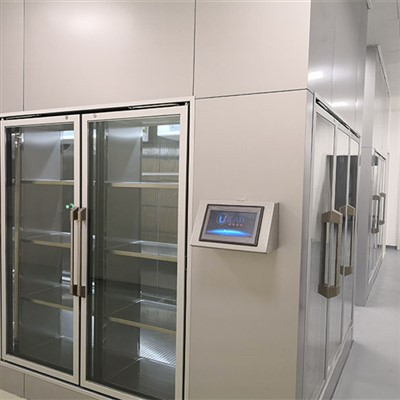
Refrigerated display cases, however, need to be more precise. Different products require different temperature settings. For instance, fresh produce might need a slightly higher temperature, while frozen goods need to be kept at much lower temperatures. Some display cases can be adjusted to multiple temperature zones, allowing you to store different types of products in the same unit. A Double Display Fridge can have separate temperature controls for each side, which is really handy if you want to store both cold drinks and fresh sandwiches.
Capacity
When it comes to capacity, regular refrigerators come in various sizes, but they're generally designed for a limited amount of storage. They're suitable for a family's weekly groceries or a small office's snacks.
Refrigerated display cases, on the other hand, can have much larger capacities. They're built to hold a large quantity of products for commercial purposes. Whether it's a large supermarket that needs to display hundreds of items or a small bakery that wants to show off its freshly baked goods, there's a display case with the right capacity. For example, a large - scale refrigerated display case can hold several hundred bottles of beverages or dozens of trays of food.
Energy Efficiency
Energy efficiency is a concern for both regular refrigerators and refrigerated display cases. Regular refrigerators have come a long way in terms of energy savings. Many modern models are Energy Star certified, which means they meet certain energy - efficiency standards.


Refrigerated display cases, due to their larger size and the need to keep the products visible, can consume more energy. However, manufacturers are constantly working on improving energy efficiency. Some display cases use advanced insulation materials and energy - saving technologies to reduce power consumption. For example, LED lighting is often used in display cases instead of traditional bulbs, as it consumes less energy and provides better illumination.
Cost
Cost is an important consideration. Regular refrigerators are generally more affordable, especially for home use. You can find a basic model for a few hundred dollars.
Refrigerated display cases, on the other hand, can be more expensive. The cost depends on factors such as size, features, and brand. A high - end Small Red Wine Fridge might cost a few thousand dollars, while a large - scale commercial display case can cost tens of thousands of dollars. However, when you consider the benefits they bring to a business, such as increased sales due to better product display, the investment can be well worth it.
Maintenance
Maintenance is also different for the two. Regular refrigerators usually require simple maintenance, like cleaning the interior and checking the door seals. You can do most of the maintenance tasks yourself.
Refrigerated display cases, being more complex, may require professional maintenance. They have more components, such as compressors, fans, and lighting systems, that need to be regularly checked and serviced. However, many suppliers offer maintenance packages to ensure that your display case runs smoothly.
Which One Should You Choose?
If you're a homeowner or running a small office, a regular refrigerator is probably the best choice. It's affordable, easy to maintain, and can meet your basic storage needs.
But if you're in the business of selling food or beverages, a refrigerated display case is a must - have. It can attract customers, keep your products fresh, and increase your sales. Whether you need a small display fridge for a coffee shop or a large - scale island display for a supermarket, there's a solution for you.
Let's Connect
If you're interested in learning more about our refrigerated display cases or have any questions about which model is right for your business, don't hesitate to reach out. We're here to help you make the best decision for your needs. Whether it's choosing the right size, understanding the features, or getting a quote, we've got you covered.
References
- "Commercial Refrigeration Handbook" by the Refrigeration Service Engineers Society
- Various industry reports on refrigeration technology and market trends.