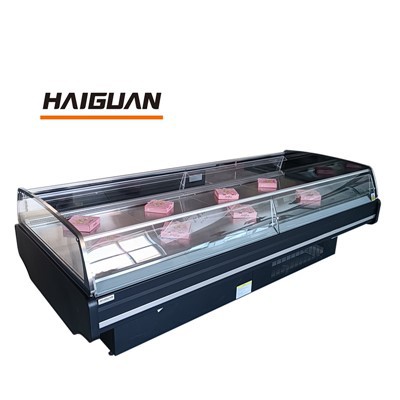

In the dynamic landscape of commercial refrigeration, air curtain coolers stand out as a crucial component for businesses aiming to optimize product preservation and energy efficiency. As a leading supplier of air curtain coolers, we understand the importance of safety features in these systems. In this blog, we will delve into the key safety features of air curtain coolers, exploring how they contribute to a secure and reliable refrigeration environment.
Temperature Control and Monitoring
One of the primary safety features of an air curtain cooler is its advanced temperature control system. Maintaining a consistent temperature is essential for preserving the quality and safety of perishable goods. Our air curtain coolers are equipped with precision temperature sensors that continuously monitor the internal temperature. These sensors are connected to a sophisticated control unit that adjusts the cooling system as needed to ensure the temperature remains within the desired range.
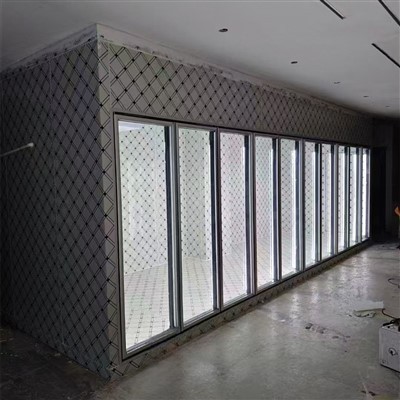
For example, in a Backstock Walk-In Cooler, the temperature control system plays a vital role in preventing food spoilage. If the temperature rises above the set threshold, the control unit will automatically increase the cooling capacity to bring the temperature back down. This real-time adjustment helps to maintain the integrity of the stored products, reducing the risk of foodborne illnesses.
In addition to temperature control, our air curtain coolers also feature temperature monitoring capabilities. The control unit can be connected to a remote monitoring system, allowing business owners and managers to track the temperature of the cooler from anywhere. This remote access provides peace of mind, as it enables timely intervention in case of any temperature fluctuations or malfunctions.
Airflow Management
Another important safety feature of air curtain coolers is their efficient airflow management system. The air curtain acts as a barrier between the cold air inside the cooler and the warm air outside, preventing heat transfer and maintaining a stable temperature. Our air curtain coolers are designed with high-velocity fans that create a powerful air curtain, effectively sealing off the cooler from the surrounding environment.
Proper airflow management not only helps to maintain the temperature but also improves the overall efficiency of the cooler. By reducing the amount of warm air entering the cooler, the cooling system can operate more effectively, consuming less energy. This not only saves on energy costs but also reduces the environmental impact of the cooler.
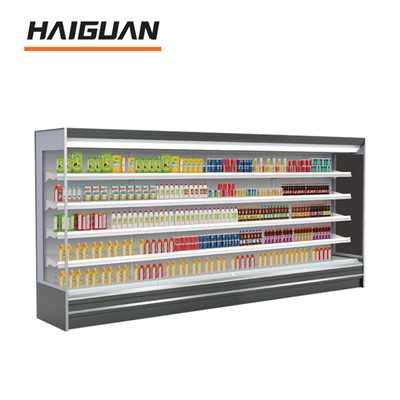
In an Open Front Display Chiller, the airflow management system is particularly important. The open front design allows customers to easily access the products, but it also exposes the cooler to more warm air. Our air curtain coolers are designed to create a strong air curtain that minimizes the amount of warm air entering the chiller, ensuring that the products remain at the optimal temperature.
Door Safety
The doors of an air curtain cooler are another critical safety feature. Our air curtain coolers are equipped with safety interlocks that prevent the doors from being opened when the cooler is in operation. This helps to prevent the loss of cold air and reduces the risk of injury to employees.
In addition to safety interlocks, our air curtain coolers also feature self-closing doors. The self-closing mechanism ensures that the doors are always closed, even if they are accidentally left open. This helps to maintain the temperature inside the cooler and reduces the energy consumption.
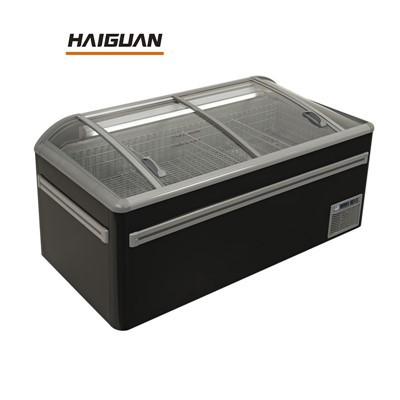
For example, in a Combined Island Freezer, the self-closing doors are essential for maintaining the temperature of the frozen products. If the doors are left open for an extended period, the temperature inside the freezer can rise, causing the products to thaw and spoil. The self-closing doors help to prevent this from happening, ensuring that the products remain fresh and safe.
Emergency Stop Button
An emergency stop button is a crucial safety feature in any refrigeration system. Our air curtain coolers are equipped with an emergency stop button that allows employees to quickly shut down the cooler in case of an emergency. This button is typically located in a prominent position on the cooler, making it easy to access in case of an emergency.
The emergency stop button is designed to immediately stop the operation of the cooler, preventing any further damage or injury. It is important to note that the emergency stop button should only be used in case of an emergency, such as a fire or a malfunction. Regular maintenance and inspections should be carried out to ensure that the emergency stop button is in working condition.
Overload Protection
Overload protection is another important safety feature of air curtain coolers. The cooling system of an air curtain cooler is designed to operate within a specific range of electrical load. If the electrical load exceeds this range, the system can overheat and cause damage to the cooler.
Our air curtain coolers are equipped with overload protection devices that monitor the electrical load of the system. If the load exceeds the safe limit, the overload protection device will automatically shut down the cooler to prevent damage. This helps to ensure the safety and reliability of the cooler, reducing the risk of electrical fires and other hazards.
Conclusion
In conclusion, air curtain coolers are essential for businesses that need to store and display perishable goods. The safety features of air curtain coolers play a crucial role in ensuring the quality and safety of the products, as well as the safety of the employees. From temperature control and monitoring to airflow management, door safety, emergency stop buttons, and overload protection, our air curtain coolers are designed to provide a secure and reliable refrigeration environment.


If you are interested in learning more about our air curtain coolers or have any questions about their safety features, please feel free to contact us. Our team of experts is always ready to assist you in finding the right solution for your business needs.
References
- ASHRAE Handbook - Refrigeration. American Society of Heating, Refrigerating and Air-Conditioning Engineers.
- International Electrotechnical Commission (IEC) standards for refrigeration equipment.
- Food Safety and Inspection Service (FSIS) guidelines for refrigeration in food processing and storage.