
The world of commercial refrigeration is vast and filled with a variety of equipment, each designed to meet specific needs. As a supplier of Granular Ice Machine, I've had the privilege of delving deep into the intricacies of these machines, including a rather unique aspect: the ice odor of a granular ice machine.
Understanding Granular Ice Machines
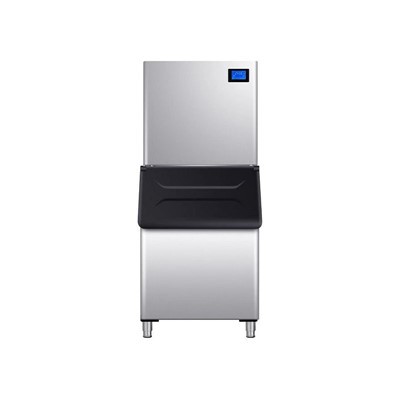
Granular ice machines are a staple in many industries, from supermarkets to restaurants and even in the medical field. They produce small, round ice granules that are soft, chewable, and have a high surface - area - to - volume ratio. This makes them ideal for applications such as keeping food fresh, cooling beverages quickly, and even for use in medical cold packs.
The operation of a granular ice machine involves a complex process. Water is first pumped into the machine, where it is cooled and frozen into ice. The ice is then shaved or formed into granules. During this process, several factors can influence the odor of the ice produced.
Factors Affecting Ice Odor
Water Quality
One of the most significant factors affecting the odor of ice from a granular ice machine is the quality of the water used. Water can contain various contaminants, such as chlorine, sulfur, and organic matter. Chlorine is commonly used to disinfect water, but it can leave an unpleasant odor in the ice. Sulfur, on the other hand, gives ice a distinct "rotten egg" smell. Organic matter, such as algae or bacteria, can also cause the ice to have an off - odor.
To mitigate these issues, it is crucial to use high - quality water. Installing a water filtration system can help remove many of these contaminants. A good filtration system can remove chlorine, sediment, and other impurities, resulting in cleaner, odor - free ice.
Machine Cleanliness
The cleanliness of the granular ice machine itself plays a vital role in the odor of the ice. Over time, mold, mildew, and bacteria can build up inside the machine. These microorganisms can produce unpleasant odors that are transferred to the ice. Regular cleaning and maintenance of the machine are essential to prevent this.
It is recommended to clean the ice machine at least once a month. This includes disassembling the parts that come into contact with water and ice, such as the ice bin, water reservoir, and evaporator. Using a food - grade cleaning solution can help kill bacteria and remove any built - up debris.


Air Quality
The air quality around the granular ice machine can also affect the odor of the ice. If the machine is located in an area with poor ventilation or where there are strong odors, such as near a garbage disposal or a chemical storage area, the ice can absorb these odors.
To ensure good air quality around the machine, it should be placed in a well - ventilated area. Avoid placing it near sources of strong odors and make sure there is adequate air circulation.
The Impact of Ice Odor
The odor of ice can have a significant impact on its usability. In the food and beverage industry, for example, customers expect ice to be odor - free. If the ice has an unpleasant odor, it can affect the taste of the beverages or food it is used with. This can lead to customer dissatisfaction and potentially harm the reputation of a business.
In the medical field, odor - free ice is also crucial. Ice is often used in cold packs for pain relief and to reduce swelling. If the ice has an odor, it can be off - putting to patients and may even cause allergic reactions in some cases.
Detecting and Resolving Ice Odor Issues
Detecting ice odor issues early is key to resolving them quickly. One way to detect odor is by simply smelling the ice. If there is an unpleasant odor, it is important to identify the source.
If the odor is due to water quality, testing the water can help determine the specific contaminants. Based on the test results, appropriate filtration systems can be installed. If the problem is related to machine cleanliness, a thorough cleaning of the machine should be carried out.
In some cases, it may be necessary to consult a professional technician. They can perform a more in - depth inspection of the machine and identify any underlying issues that may be causing the odor.
Other Related Commercial Refrigeration Equipment
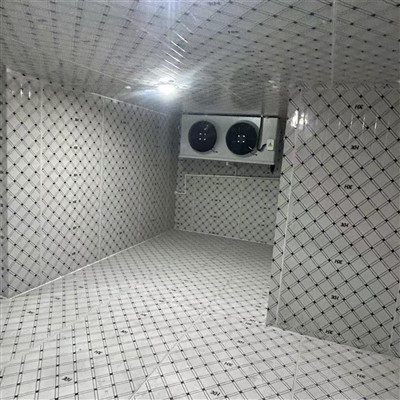
While granular ice machines are an important part of our product line, we also offer other high - quality commercial refrigeration equipment, such as Horizontal Commercial Freezer and Flower Refrigerator.
Horizontal commercial freezers are designed to store large quantities of frozen goods. They are commonly used in supermarkets, restaurants, and food processing facilities. These freezers offer a large storage capacity and are energy - efficient, helping businesses save on operating costs.
Flower refrigerators, on the other hand, are specifically designed to keep flowers fresh. They maintain a consistent temperature and humidity level, which is essential for the longevity of flowers. This makes them ideal for florists, event planners, and supermarkets that sell flowers.
Conclusion
Understanding the ice odor of a granular ice machine is crucial for ensuring the quality of the ice produced. By paying attention to factors such as water quality, machine cleanliness, and air quality, businesses can produce odor - free ice that meets the highest standards.
If you are in the market for a granular ice machine or other commercial refrigeration equipment, we are here to help. Our team of experts can provide you with the information and support you need to make the right choice for your business. Contact us today to start a discussion about your refrigeration needs and let us help you find the perfect solution.
References
- "Commercial Ice Machine Maintenance Guide" by the National Restaurant Association
- "Water Quality and Its Impact on Ice Production" by the American Water Works Association
- "Best Practices for Commercial Refrigeration Equipment" by the International Association of Refrigeration