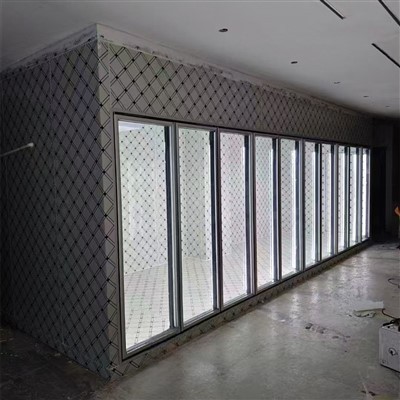

As a supplier of Island Freezer, I've had numerous customers come to me with questions about whether it's a good fit for storing fruits and vegetables. It's a valid concern, considering how important it is to keep our produce fresh and nutritious. So, let's dive right in and explore if Island Freezer is the right choice for your fruit and veggie storage needs.
The Basics of Fruit and Vegetable Storage
First off, we need to understand what fruits and vegetables need to stay fresh. Most produce thrives in a cool, humid environment. The ideal temperature for storing many fruits and vegetables ranges from 32°F to 40°F (0°C to 4°C). This temperature range slows down the ripening process and helps prevent spoilage. Additionally, maintaining a certain level of humidity is crucial. Too much humidity can lead to mold growth, while too little can cause produce to dry out.
How Island Freezer Measures Up
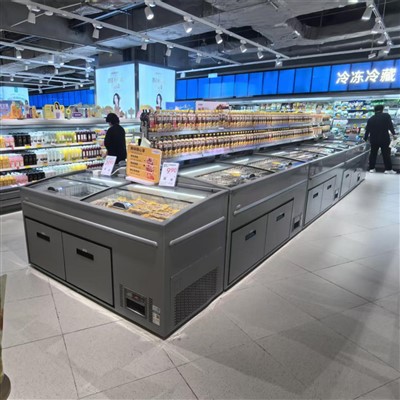
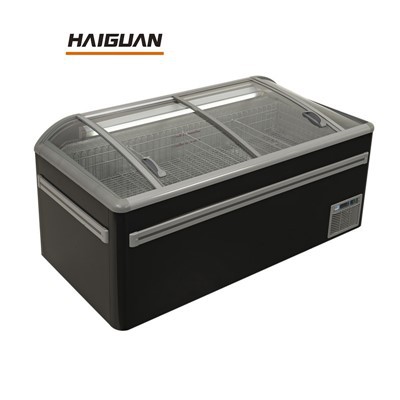
Island Freezers, like the ones you can check out here, are designed to provide a controlled environment. They can maintain a consistent temperature within the recommended range for most fruits and vegetables. This is a huge plus because it means you can trust that your produce will stay fresh for longer.
One of the great features of Island Freezers is their ability to regulate humidity. They come with adjustable humidity settings, allowing you to customize the environment based on the specific needs of your fruits and vegetables. For example, leafy greens like lettuce and spinach prefer higher humidity levels, while apples and pears can do well with slightly lower humidity.
Advantages of Using Island Freezer for Fruit and Vegetable Storage
- Space Efficiency: Island Freezers offer a large storage capacity in a relatively compact footprint. This is especially useful for businesses that need to store a significant amount of produce but have limited space. You can stack different types of fruits and vegetables in an organized manner, making it easy to access what you need.
- Visibility: Many Island Freezers come with glass doors or transparent panels. This allows you to easily see what's inside without having to open the door, which helps maintain the internal temperature and reduces energy consumption. It also makes it easier to keep track of your inventory and quickly identify any produce that may be approaching its expiration date.
- Energy Efficiency: Modern Island Freezers are designed to be energy-efficient. They use advanced insulation materials and energy-saving compressors to minimize power consumption. This not only helps you save on your electricity bills but also makes them an environmentally friendly choice.
Considerations and Limitations
While Island Freezers have many advantages for storing fruits and vegetables, there are a few things to keep in mind.
- Ethylene Gas: Some fruits, such as apples, bananas, and avocados, produce ethylene gas as they ripen. Ethylene gas can speed up the ripening process of other fruits and vegetables, causing them to spoil more quickly. It's important to separate ethylene-producing fruits from those that are sensitive to it. You can use different compartments in the Island Freezer to keep them apart.
- Proper Packaging: To maximize the shelf life of your fruits and vegetables, it's important to package them properly. Use breathable containers or plastic bags with holes to allow air circulation. This helps prevent the buildup of moisture and reduces the risk of mold growth.
- Temperature Fluctuations: Although Island Freezers are designed to maintain a consistent temperature, there may be some minor fluctuations, especially when the door is opened frequently. It's important to minimize the time the door is open and to avoid overloading the freezer, as this can affect the temperature distribution.
Comparing with Other Storage Options
Let's take a quick look at how Island Freezers compare with other storage options, such as Low Temperature Cold Storage Warehouse and Horizontal Commercial Freezer.
- Low Temperature Cold Storage Warehouse: These warehouses are suitable for large-scale storage of fruits and vegetables. They offer a much larger storage capacity than Island Freezers but may require a significant investment in terms of space, equipment, and maintenance. Island Freezers are a more cost-effective option for smaller businesses or those with limited storage needs.
- Horizontal Commercial Freezer: Horizontal freezers are great for storing frozen foods and can also be used for short-term storage of fruits and vegetables. However, they may not provide the same level of humidity control as Island Freezers, which can be a drawback for some types of produce. Island Freezers are better suited for long-term storage of fresh fruits and vegetables.
Conclusion
In conclusion, Island Freezers are a great option for storing fruits and vegetables. They provide a controlled environment with adjustable temperature and humidity settings, which helps keep your produce fresh and nutritious. They are also space-efficient, energy-efficient, and offer good visibility. However, it's important to be aware of the potential limitations, such as ethylene gas and temperature fluctuations, and to take appropriate measures to address them.
If you're in the market for a reliable freezer for storing fruits and vegetables, I highly recommend considering an Island Freezer. It's a versatile and practical solution that can meet the needs of businesses of all sizes. If you have any questions or would like to discuss your specific requirements, feel free to reach out. We're here to help you make the best choice for your business.


References
- Kader, A. A. (2002). Postharvest technology of horticultural crops. University of California, Division of Agriculture and Natural Resources.
- USDA Agricultural Marketing Service. (2021). Postharvest Handling of Fruits and Vegetables. Retrieved from [USDA Website]