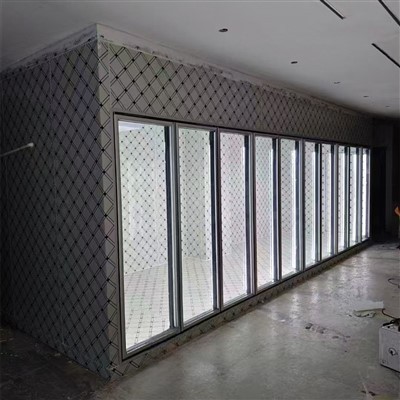

The cooling capacity of a glass door display freezer is a critical factor that determines its performance and suitability for various applications. As a supplier of Glass Door Display Freezers, I understand the importance of this parameter and its impact on the preservation of products and the overall efficiency of the equipment.
Understanding Cooling Capacity
Cooling capacity refers to the amount of heat that a freezer can remove from its interior within a specific period. It is typically measured in British Thermal Units (BTUs) per hour or in watts. A higher cooling capacity means that the freezer can cool down faster and maintain a lower temperature, which is essential for storing perishable items such as food, beverages, and pharmaceuticals.


The cooling capacity of a glass door display freezer depends on several factors, including the size of the unit, the insulation quality, the type of compressor, and the ambient temperature. Larger freezers generally have a higher cooling capacity to accommodate more products, while well-insulated units can retain cold air more effectively, reducing the workload on the compressor.
Factors Affecting Cooling Capacity
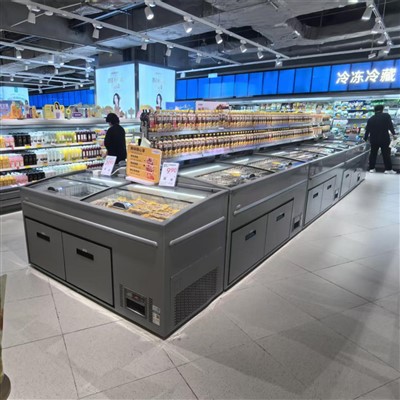
- Size of the Freezer: The volume of the freezer is a significant determinant of its cooling capacity. Larger freezers require more energy to cool down and maintain a low temperature. For example, a large commercial glass door display freezer used in a supermarket may have a cooling capacity of several thousand BTUs per hour, while a smaller unit for a convenience store may have a lower capacity.
- Insulation Quality: Good insulation is crucial for minimizing heat transfer between the interior and exterior of the freezer. High-quality insulation materials, such as polyurethane foam, can significantly reduce the amount of energy needed to maintain a cold temperature. A well-insulated freezer will have a higher cooling efficiency and lower operating costs.
- Compressor Type: The compressor is the heart of the refrigeration system, and its performance directly affects the cooling capacity of the freezer. There are different types of compressors available, including reciprocating, rotary, and scroll compressors. Each type has its own advantages and disadvantages in terms of efficiency, noise level, and cost.
- Ambient Temperature: The ambient temperature in the environment where the freezer is located also plays a role in its cooling capacity. Higher ambient temperatures require the freezer to work harder to maintain a low internal temperature, which can increase energy consumption and reduce the overall efficiency of the unit.
Importance of Cooling Capacity in Different Applications
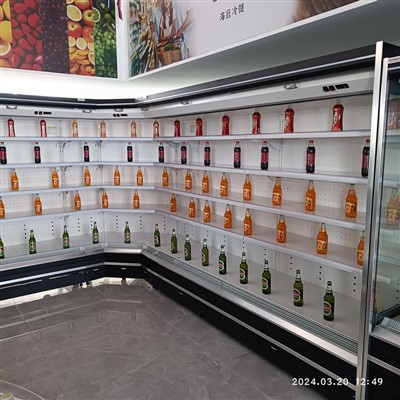
- Food and Beverage Industry: In the food and beverage industry, maintaining the proper temperature is crucial for preserving the quality and safety of products. A glass door display freezer with sufficient cooling capacity can keep food and drinks at the optimal temperature, preventing spoilage and ensuring customer satisfaction. For example, a Double Display Fridge with a high cooling capacity can effectively store a large quantity of perishable items, making it ideal for restaurants, cafes, and supermarkets.
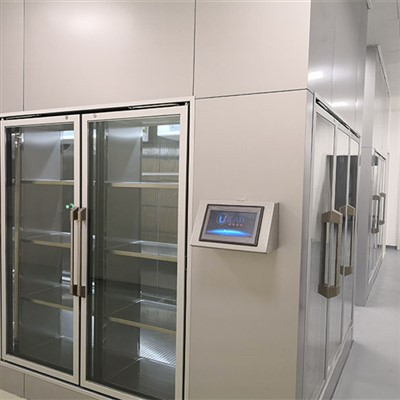
- Pharmaceutical Industry: Pharmaceuticals are often sensitive to temperature changes, and improper storage can lead to reduced efficacy or even spoilage. A Pharmacy Freezer Storage with a reliable cooling capacity is essential for storing medications and vaccines at the required temperature range. This helps to ensure the quality and safety of the products and comply with regulatory requirements.
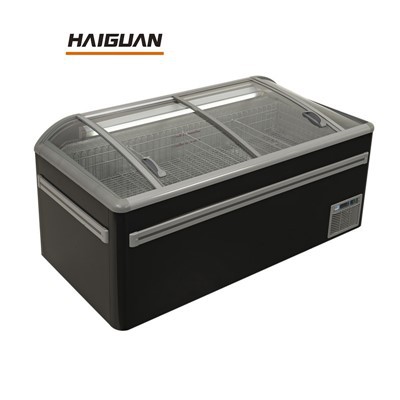
- Retail and Convenience Stores: Retailers rely on glass door display freezers to showcase their products and attract customers. A freezer with a sufficient cooling capacity can keep products fresh and appealing, increasing sales and customer loyalty. A Glass Door Display Cooler with a high cooling capacity can effectively display a variety of products, such as beverages, dairy products, and frozen foods.
Choosing the Right Cooling Capacity
When selecting a glass door display freezer, it is important to consider the specific requirements of your application. Here are some factors to keep in mind:
- Product Volume: Determine the amount of product you need to store in the freezer. This will help you choose a unit with an appropriate cooling capacity to ensure that the products are kept at the right temperature.
- Temperature Range: Different products require different temperature ranges for optimal storage. Make sure the freezer you choose can maintain the required temperature consistently.
- Usage Frequency: If the freezer will be opened frequently, it will need a higher cooling capacity to compensate for the heat that enters the unit each time the door is opened.
- Energy Efficiency: Look for a freezer with a high energy efficiency rating to reduce operating costs and minimize environmental impact.
Conclusion
The cooling capacity of a glass door display freezer is a crucial factor that affects its performance, efficiency, and suitability for different applications. As a supplier of Glass Door Display Freezers, I am committed to providing high-quality products with the right cooling capacity to meet the needs of our customers. Whether you are in the food and beverage industry, the pharmaceutical industry, or the retail sector, we have the expertise and experience to help you choose the best freezer for your business.
If you are interested in learning more about our glass door display freezers or have any questions about cooling capacity, please feel free to contact us for a consultation. We look forward to working with you to find the perfect solution for your refrigeration needs.
References
- ASHRAE Handbook - Refrigeration. American Society of Heating, Refrigerating and Air-Conditioning Engineers.
- Refrigeration and Air Conditioning Technology. William C. Whitman, William M. Johnson, John A. Tomczyk, and Eugene Silberstein.