
Hey there! I'm a supplier of Open Front Display Chillers, and today I'm gonna talk about how these nifty machines prevent heat transfer. It's a pretty cool topic, pun intended!


First off, let's understand why preventing heat transfer is so important for an Open Front Display Chiller. These chillers are often used in supermarkets, convenience stores, and other retail settings to keep products like beverages, dairy, and fresh produce at the right temperature. If heat were to easily transfer into the chiller, the products inside would warm up, leading to spoilage and a loss of quality.
One of the key ways an Open Front Display Chiller prevents heat transfer is through its insulation. The walls of the chiller are typically made of materials with low thermal conductivity. For example, polyurethane foam is a common insulation material used in these chillers. It has a very low ability to conduct heat, which means it acts as a barrier between the cold interior of the chiller and the warm outside environment. This insulation helps to keep the cold air inside the chiller and reduces the amount of heat that can seep in.
Another important factor is the design of the airflow system. Open Front Display Chillers use a carefully engineered airflow pattern to maintain a cold curtain at the front of the chiller. This cold curtain acts as a shield, preventing warm air from entering the chiller. The cold air is circulated from the top of the chiller downwards, creating a constant stream of cold air that blocks the warm air from the room. This is similar to how a waterfall creates a barrier between two areas. The cold air is continuously cooled by the refrigeration system and recirculated to maintain the cold curtain.
The refrigeration system itself also plays a crucial role in preventing heat transfer. The compressor in the chiller works to remove heat from the interior of the chiller and release it outside. It does this by compressing a refrigerant gas, which raises its temperature. The hot refrigerant then flows through a condenser, where it releases the heat into the surrounding environment. After that, the refrigerant is expanded, which lowers its temperature, and it is then circulated back into the chiller to absorb more heat. This continuous cycle of heat removal helps to keep the interior of the chiller cold.
In addition to these mechanical features, the placement of the chiller can also affect heat transfer. It's important to place the chiller away from sources of heat, such as direct sunlight or heating vents. This reduces the amount of heat that the chiller has to deal with and makes it more efficient at maintaining a cold temperature.
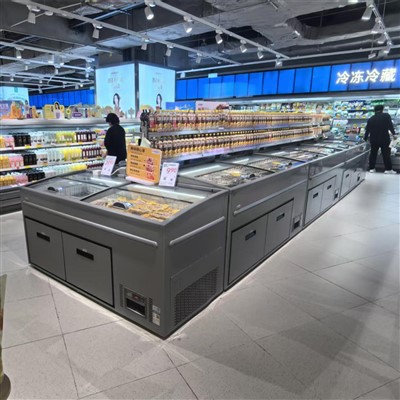
Now, let's talk about some of the benefits of using an Open Front Display Chiller. These chillers are great for displaying products because they allow customers to easily access the items without having to open a door. This makes it more convenient for shoppers and can increase sales. They also provide a clear view of the products, which can attract customers.
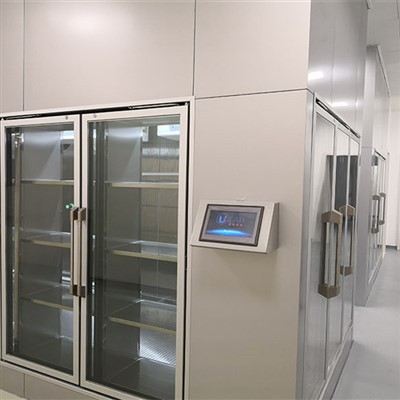
If you're in the market for an Open Front Display Chiller, or if you're interested in Pharmaceutical Cold Storage or Glass Top Island Freezer, we've got you covered. Our Open Front Display Chillers are designed with the latest technology to ensure maximum efficiency and performance. They are built to last and are backed by our excellent customer service.
Whether you're running a small convenience store or a large supermarket, our chillers can help you keep your products fresh and at the right temperature. So, if you're interested in learning more about our products or want to discuss a potential purchase, don't hesitate to reach out. We'd love to have a chat and see how we can meet your refrigeration needs.
In conclusion, an Open Front Display Chiller prevents heat transfer through a combination of insulation, airflow design, and a reliable refrigeration system. These features work together to keep the products inside the chiller cold and fresh. If you're looking for a high-quality Open Front Display Chiller, check out our offerings at Open Front Display Chiller. We're here to help you make the right choice for your business.
References
- ASHRAE Handbook - Refrigeration. American Society of Heating, Refrigerating and Air-Conditioning Engineers.
- Refrigeration and Air Conditioning Technology. William C. Whitman, William M. Johnson, John A. Tomczyk, Eugene Silberstein.