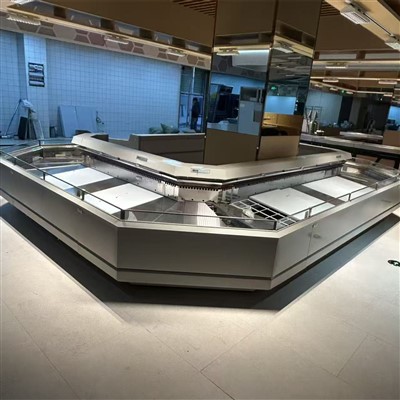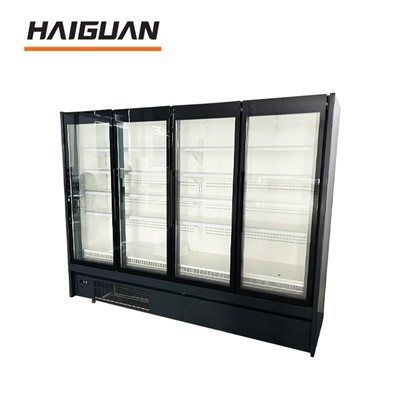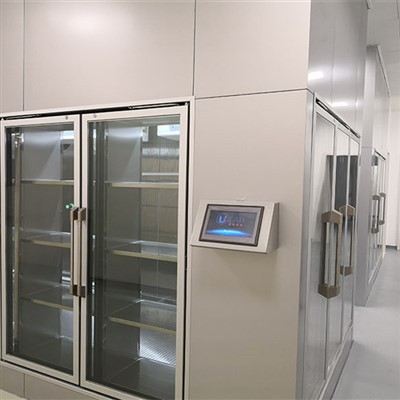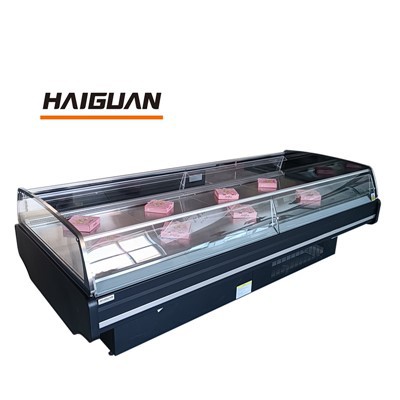

As a supplier of Island Freezers, I am often asked about the compliance of our products with safety standards. In this blog post, I will delve into the details of how Island Freezers meet and exceed safety requirements, providing you with the confidence you need when considering a purchase.
Understanding Safety Standards in the Refrigeration Industry
Safety standards in the refrigeration industry are crucial for protecting consumers, employees, and the environment. These standards cover a wide range of aspects, including electrical safety, temperature control, and the use of refrigerants. For Island Freezers, compliance with these standards is not just a legal requirement but also a commitment to providing high - quality and reliable products.


Electrical Safety
One of the primary concerns in any electrical appliance is the risk of electric shock. Island Freezers are designed with multiple layers of electrical protection. They are equipped with grounded plugs and circuit breakers to prevent over - current situations. The internal wiring is carefully insulated to avoid short - circuits, and all electrical components are tested to meet strict international electrical safety standards.
Temperature Control
Maintaining the correct temperature is essential for the safe storage of food. Island Freezers are engineered with advanced temperature control systems. These systems use precision sensors to monitor the internal temperature continuously. If the temperature deviates from the set range, the freezer automatically adjusts its cooling mechanism. This ensures that the food stored inside remains at a safe temperature, reducing the risk of spoilage and foodborne illnesses.
Refrigerant Safety
The choice of refrigerant is a critical factor in the safety of Island Freezers. We use refrigerants that are environmentally friendly and have low global warming potential (GWP). These refrigerants are also non - flammable and non - toxic, minimizing the risk of leaks and potential hazards. Additionally, our freezers are designed with leak detection systems to quickly identify and address any refrigerant leaks.
Our Testing and Certification Process
To ensure that our Island Freezers comply with safety standards, we have a rigorous testing and certification process.
In - house Testing
Before any product leaves our factory, it undergoes a series of in - house tests. These tests include electrical performance tests, temperature stability tests, and refrigerant leak tests. Our quality control team uses state - of - the - art equipment to simulate real - world conditions and ensure that the freezers perform optimally.
Third - Party Certification
In addition to in - house testing, our Island Freezers are also certified by independent third - party organizations. These organizations conduct comprehensive tests to verify that our products meet national and international safety standards. The certifications we have obtained serve as a testament to the safety and quality of our Island Freezers.
Comparing Island Freezers with Other Refrigeration Products
Let's compare Island Freezers with other common refrigeration products, such as Low Temperature Cold Storage Warehouse and Household Refrigerator.
Low Temperature Cold Storage Warehouse
While low - temperature cold storage warehouses are designed for large - scale storage, Island Freezers are more suitable for smaller spaces, such as supermarkets and convenience stores. However, both types of refrigeration systems share similar safety concerns, such as temperature control and refrigerant management. Our Island Freezers are designed with the same level of safety and reliability as large - scale cold storage warehouses, but in a more compact and cost - effective package.
Household Refrigerator
Household refrigerators are typically used for personal use, while Island Freezers are designed for commercial applications. The safety requirements for commercial refrigeration are often more stringent due to the larger volume of food stored and the higher traffic in commercial settings. Our Island Freezers are built to meet these higher standards, with features such as enhanced electrical protection and more robust temperature control systems.
The Benefits of Choosing a Compliant Island Freezer
Choosing a compliant Island Freezer offers several benefits.
Peace of Mind
When you purchase a compliant Island Freezer, you can have peace of mind knowing that your food is stored safely. You don't have to worry about electrical hazards, temperature fluctuations, or refrigerant leaks.
Regulatory Compliance
Using a compliant Island Freezer ensures that your business is in line with local and national regulations. This can help you avoid costly fines and legal issues.
Long - term Reliability
Compliant Island Freezers are built to last. They are designed with high - quality components and undergo rigorous testing, which means they are less likely to break down and require frequent repairs.
The Role of Combined Island Freezer in Safety
Combined Island Freezers offer additional safety features. These freezers combine different temperature zones in one unit, allowing for the storage of a variety of food products. The separate temperature zones ensure that each type of food is stored at the optimal temperature, further reducing the risk of spoilage.
Conclusion
In conclusion, Island Freezers are fully compliant with safety standards. Our commitment to safety is evident in every aspect of our product design, from electrical protection to refrigerant management. We understand the importance of providing safe and reliable refrigeration solutions for our customers.
If you are in the market for a high - quality and safe Island Freezer, we invite you to contact us for a purchase discussion. Our team of experts is ready to assist you in finding the perfect freezer for your needs.
References
- International Electrotechnical Commission (IEC) standards for electrical safety in refrigeration appliances.
- Environmental Protection Agency (EPA) guidelines for refrigerant use and management.
- National Fire Protection Association (NFPA) codes related to refrigeration systems.