
Storing different types of food in a household refrigerator is an art that can significantly impact food safety, freshness, and longevity. As a dedicated supplier of Household Refrigerator, I understand the nuances of proper food storage and how the right refrigerator can make a difference. In this blog, I'll share some essential tips on how to store various food types effectively in your household refrigerator.
Dairy Products
Dairy products, such as milk, cheese, and yogurt, are highly perishable and require careful storage. Milk should be kept on the refrigerator's middle or bottom shelf, where the temperature is most consistent. Avoid storing milk in the refrigerator door, as the temperature fluctuates every time the door is opened.
Cheese, on the other hand, should be wrapped tightly in wax paper or plastic wrap to prevent it from drying out. Hard cheeses can be stored in the main compartment, while soft cheeses are best kept in the cheese drawer, if your refrigerator has one. Yogurt should be stored in its original container and kept in the main compartment.
Meat and Poultry
Meat and poultry are prone to spoilage and can harbor harmful bacteria if not stored properly. Raw meat and poultry should be stored on the bottom shelf of the refrigerator to prevent any drips from contaminating other foods. Place the meat in a sealed container or wrap it tightly in plastic wrap to prevent cross - contamination.
Cooked meat can be stored in the refrigerator for up to four days. It's a good idea to divide cooked meat into smaller portions and store them in airtight containers. This not only helps with portion control but also extends the meat's shelf life.
Fruits and Vegetables
Fruits and vegetables have different storage requirements. Some fruits, like apples, bananas, and avocados, produce ethylene gas, which can cause other fruits and vegetables to ripen and spoil faster. It's best to store these ethylene - producing fruits separately from other produce.
Leafy greens, such as lettuce and spinach, should be washed and dried thoroughly before storing. Place them in a plastic bag with a paper towel to absorb excess moisture. Root vegetables, like carrots and potatoes, can be stored in the crisper drawer. However, potatoes should be kept in a cool, dark place, as exposure to light can cause them to turn green and produce solanine, a toxic compound.

Seafood
Seafood is highly perishable and should be stored in the coldest part of the refrigerator. Fresh fish and shellfish should be placed on a bed of ice in a shallow container and covered with plastic wrap. This helps to keep the seafood cold and fresh. If you're not planning to cook the seafood within a day or two, it's best to freeze it.
Leftovers
Leftovers should be stored in airtight containers as soon as possible after cooking. Label the containers with the date to keep track of how long the leftovers have been in the refrigerator. Generally, leftovers can be stored in the refrigerator for 3 - 4 days. If you don't plan to eat the leftovers within this time frame, it's best to freeze them.
The Role of the Refrigerator in Food Storage
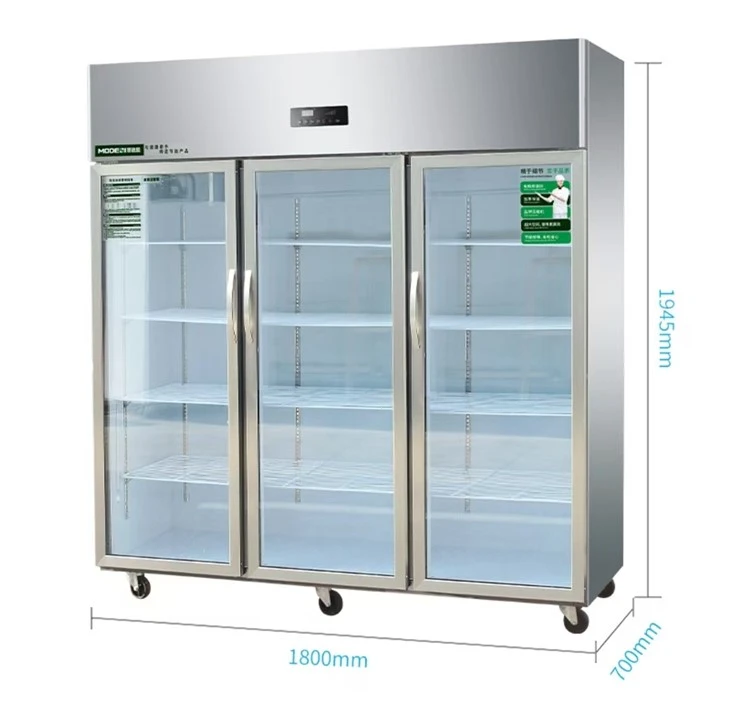
A high - quality Household Refrigerator is crucial for proper food storage. Modern refrigerators come with features like adjustable shelves, humidity - controlled drawers, and temperature zones, which allow you to customize the storage conditions for different types of food.
For example, the humidity - controlled drawers can be adjusted to keep fruits and vegetables fresh for longer. The temperature zones can be set to different temperatures, allowing you to store meat, dairy, and other perishables at the optimal temperature.
Special Considerations for Bulk Storage
If you buy food in bulk, you may need additional storage solutions. Low Temperature Cold Storage Warehouse can be a great option for long - term storage of large quantities of food. These warehouses are designed to maintain a consistent low temperature, which helps to preserve the quality and freshness of the food.
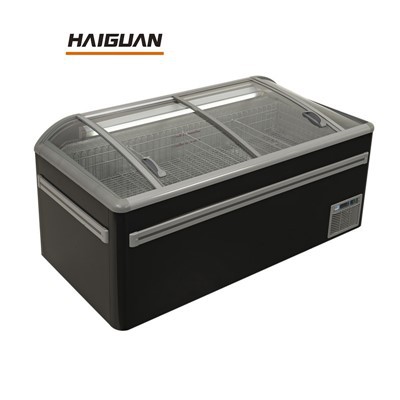
Another option for bulk storage is a Horizontal Commercial Freezer. These freezers offer a large storage capacity and are ideal for storing frozen foods, such as meat, poultry, and vegetables.
Tips for Maximizing Refrigerator Space
To make the most of your refrigerator space, it's important to organize your food properly. Use stackable containers and shelves to create more vertical space. Group similar foods together, such as all the dairy products or all the fruits. This not only makes it easier to find what you're looking for but also helps to maintain a consistent temperature throughout the refrigerator.
Conclusion
Proper food storage in a household refrigerator is essential for maintaining food safety and freshness. By following these tips, you can ensure that your food stays fresh for longer and reduce the risk of foodborne illnesses. As a supplier of Household Refrigerator, I'm committed to providing high - quality products that meet your food storage needs.
If you're interested in purchasing a new refrigerator or exploring our other storage solutions, I encourage you to contact us for a procurement discussion. We can help you find the perfect product for your home or business.
References
- USDA Food Safety and Inspection Service. (n.d.). Food Storage Guidelines.
- FDA. (n.d.). Safe Storage of Food in the Refrigerator and Freezer.