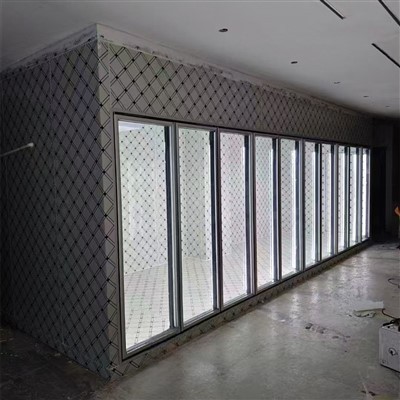

Hey there! As a supplier in the supermarket refrigeration game, I've seen firsthand how a well - optimized layout of supermarket refrigeration displays can make a huge difference. Let's dive into how I approach this challenge.
First off, we need to understand the basic needs of a supermarket. Supermarkets are all about attracting customers, making it easy for them to find what they want, and keeping products fresh. Refrigeration displays play a crucial role in all these aspects.
Analyzing the Space
The very first step is to analyze the available space in the supermarket. You can't just plop down refrigeration units without thinking. Measure the area where you plan to place the displays. Consider the traffic flow in the store. You don't want to block the main aisles or create bottlenecks. For example, if there's a high - traffic area near the entrance, it might be a good spot for some eye - catching refrigerated displays with popular items like drinks or fresh fruits.
Product Placement
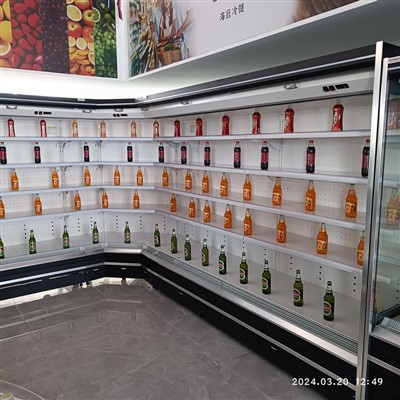
Now, let's talk about product placement. Different products have different temperature requirements. Dairy products, for instance, need to be kept at a specific cold temperature. So, group similar products together. Put all the milk, yogurt, and cheese in one area of the refrigerated display. This not only makes it easier for customers to find what they're looking for but also helps in maintaining the right temperature for each product.
Also, think about the popularity of products. Place the best - selling items at eye - level. This is a well - known marketing trick. When customers can easily see the products they want, they're more likely to pick them up. For example, if your supermarket sells a lot of a particular brand of juice, make sure it's placed where customers can spot it right away.
Choosing the Right Equipment
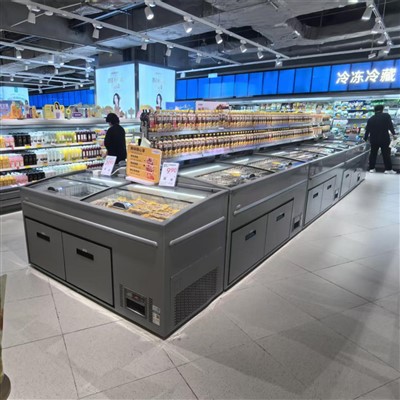
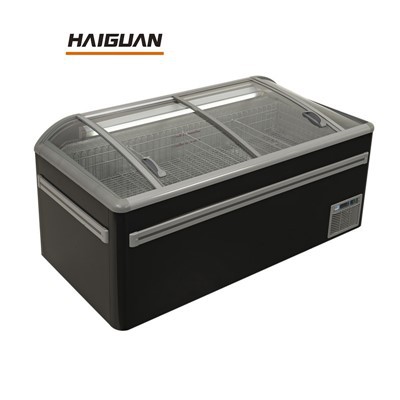
As a supplier, I know how important it is to choose the right refrigeration equipment. There are various types of displays available, each with its own advantages. For example, the Combined Island Freezer is great for displaying a wide range of frozen products. It has multiple compartments and can be customized to fit different product sizes.
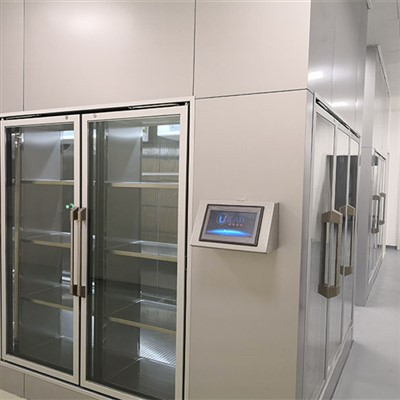
If you're dealing with pharmaceutical products, the Pharmaceutical Cold Storage is a must - have. It's designed to maintain a very specific temperature range to ensure the safety and efficacy of the drugs.
For large - scale storage of products that need to be kept at low temperatures, the Low Temperature Cold Storage Warehouse is an excellent option. It can store a large quantity of products and is energy - efficient.
Lighting and Aesthetics
Don't underestimate the power of lighting and aesthetics. Good lighting can make the products in the refrigeration displays look more appealing. Use bright, white lights to illuminate the products. You can also add some colored lights to create a more inviting atmosphere. For example, blue lights can give a cool, fresh look to the display, which is perfect for refrigerated products.
Aesthetics also play a role in attracting customers. Keep the displays clean and organized. Remove any expired or damaged products immediately. Make sure the shelves are neatly arranged, and the products are properly labeled.
Energy Efficiency
In today's world, energy efficiency is a big deal. As a supplier, I always recommend energy - efficient refrigeration displays. These not only help the environment but also save the supermarket a lot of money in the long run. Look for displays with features like automatic defrosting, which reduces energy consumption. Also, make sure the insulation of the displays is good, so that cold air doesn't escape easily.
Staff Training
Another important aspect is staff training. The supermarket staff should know how to operate and maintain the refrigeration displays properly. They should be trained to check the temperature regularly, clean the displays, and restock the products in an organized manner. This ensures that the displays are always in good working condition and the products are kept fresh.
Testing and Monitoring
Once the refrigeration displays are installed, it's crucial to test and monitor them. Check the temperature regularly to make sure it's within the required range. You can use temperature sensors to keep track of the temperature. Also, monitor the energy consumption of the displays. If you notice any issues, such as a sudden increase in energy consumption or a drop in temperature, take immediate action.
Customer Feedback
Finally, don't forget to get customer feedback. Ask customers what they think about the layout of the refrigeration displays. Are they easy to access? Do they like the way the products are arranged? Use this feedback to make improvements. Customers are the ones who use the supermarket, so their opinions are valuable.
In conclusion, optimizing the layout of supermarket refrigeration displays is a multi - faceted process. It involves analyzing the space, choosing the right equipment, considering product placement, lighting, energy efficiency, staff training, testing, and getting customer feedback. If you're interested in upgrading your supermarket's refrigeration displays, I'd love to have a chat with you. Let's work together to create a more efficient and attractive shopping environment.


References
- Retail Merchandising and Visual Display: Strategies for Success. By Some Retail Expert.
- Energy - Efficient Refrigeration in Supermarkets: A Guide. By an Energy Specialist.