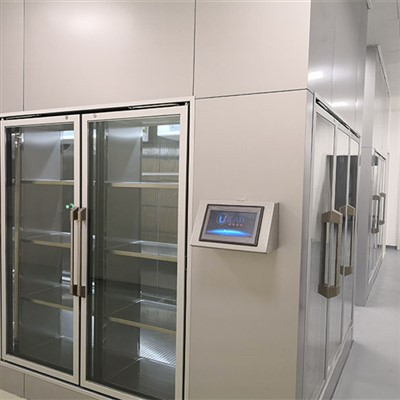

As a leading supplier of Pharmaceutical Cold Storage, I understand the critical importance of fire prevention in these specialized facilities. Pharmaceutical cold storage units are designed to store temperature - sensitive medications, vaccines, and other pharmaceutical products. These products are not only valuable but also play a vital role in healthcare, making it essential to ensure the safety of the storage environment, especially from the threat of fire.
Understanding the Fire Risks in Pharmaceutical Cold Storage
Before delving into fire prevention measures, it's crucial to understand the potential fire risks in pharmaceutical cold storage. Electrical systems are a significant source of fire hazards. The numerous refrigeration units, lighting fixtures, and control systems in a cold storage facility rely on electricity. Faulty wiring, overloaded circuits, or malfunctioning electrical components can generate heat and sparks, leading to a fire.
Flammable materials are another concern. Some pharmaceutical products may contain flammable solvents or chemicals. Additionally, packaging materials such as cardboard, plastic, and paper can fuel a fire if ignited. The low - temperature environment in cold storage can sometimes mask the early signs of a fire, allowing it to spread undetected until it becomes a significant threat.
Fire Prevention Measures
1. Electrical System Management
- Regular Inspections: Conduct regular inspections of the electrical system by a qualified electrician. This includes checking for frayed wires, loose connections, and overheating components. Inspections should be carried out at least annually, and more frequently in high - usage areas.
- Proper Wiring and Installation: Ensure that all electrical wiring is installed according to local electrical codes. Use high - quality electrical components and avoid overloading circuits. Install surge protectors to prevent damage from power surges.
- Electrical Equipment Maintenance: Keep all electrical equipment, such as refrigeration units and lighting fixtures, well - maintained. Replace any worn - out parts promptly and follow the manufacturer's maintenance guidelines.
2. Storage of Flammable Materials
- Segregation: Separate flammable pharmaceutical products and packaging materials from other items in the cold storage. Store them in designated areas that are well - ventilated and away from heat sources.
- Quantity Control: Limit the quantity of flammable materials stored in the cold storage to the minimum required. This reduces the potential fuel load in case of a fire.
- Proper Labeling: Clearly label all flammable materials to ensure that they are handled and stored correctly. This helps to prevent accidental ignition and ensures that employees are aware of the potential hazards.
3. Fire Detection and Alarm Systems
- Smoke Detectors: Install smoke detectors throughout the cold storage facility. These detectors should be connected to a central alarm system that can alert employees and emergency responders in case of a fire.
- Heat Detectors: In addition to smoke detectors, heat detectors can be installed in areas where smoke may not be easily detected, such as near refrigeration units. Heat detectors can sense an increase in temperature and trigger an alarm.
- Alarm Testing: Regularly test the fire detection and alarm systems to ensure that they are functioning properly. This should be done at least monthly.
4. Fire Suppression Systems
- Sprinkler Systems: Install sprinkler systems in the cold storage facility. Sprinkler systems can quickly extinguish a fire or control its spread, reducing the damage to the stored pharmaceutical products. There are different types of sprinkler systems available, such as wet pipe, dry pipe, and pre - action systems. The choice of system depends on the specific requirements of the cold storage.
- Fire Extinguishers: Provide an adequate number of fire extinguishers throughout the cold storage. Different types of fire extinguishers are suitable for different types of fires, such as Class A (ordinary combustibles), Class B (flammable liquids), and Class C (electrical fires). Ensure that employees are trained on how to use fire extinguishers properly.
5. Employee Training
- Fire Safety Training: Provide comprehensive fire safety training to all employees working in the pharmaceutical cold storage. This training should include topics such as fire prevention, fire evacuation procedures, and the use of fire - fighting equipment.
- Emergency Drills: Conduct regular fire emergency drills to ensure that employees are familiar with the evacuation procedures. These drills should be carried out at least twice a year.
6. Use of Fire - Resistant Materials
- Insulation: Use fire - resistant insulation materials in the construction of the cold storage. This helps to prevent the spread of fire and reduces the risk of structural damage.
- Doors and Windows: Install fire - rated doors and windows to prevent the spread of fire and smoke between different areas of the cold storage.
7. Air Curtain Systems
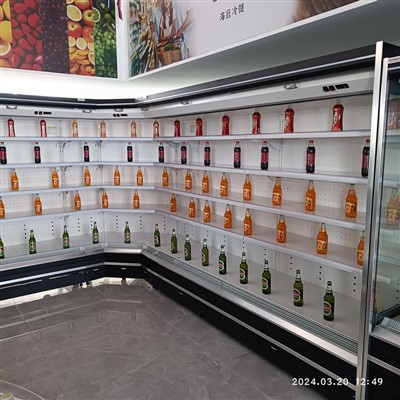
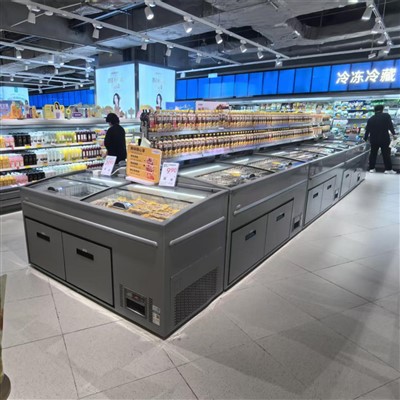
Air curtain systems play an important role in fire prevention in pharmaceutical cold storage. They can help to maintain the temperature inside the cold storage and prevent the spread of fire and smoke. For example, Air Curtain Merchandiser and Air Curtain Cabinet can create a barrier that reduces the exchange of air between the cold storage and the surrounding environment. Open Front Display Chiller also uses air curtain technology to keep the cold air inside and prevent the entry of warm air, which can be beneficial in fire prevention as well.


Monitoring and Maintenance
Regular monitoring and maintenance are essential to ensure the effectiveness of fire prevention measures. This includes:
- System Checks: Continuously monitor the electrical systems, fire detection and alarm systems, and fire suppression systems. Check for any signs of malfunction or damage and address them promptly.
- Inspections and Audits: Conduct regular inspections and audits of the cold storage facility to ensure compliance with fire safety regulations. This includes checking the storage of flammable materials, the condition of fire - fighting equipment, and the effectiveness of evacuation procedures.
Conclusion
Fire prevention in pharmaceutical cold storage is a complex and critical task. By implementing the above - mentioned measures, such as proper electrical system management, storage of flammable materials, fire detection and alarm systems, fire suppression systems, employee training, use of fire - resistant materials, and air curtain systems, we can significantly reduce the risk of fire and protect the valuable pharmaceutical products stored in the cold storage.
If you are in need of a reliable Pharmaceutical Cold Storage solution or have any questions about fire prevention in cold storage, we are here to help. Contact us to discuss your specific requirements and explore how our products and services can meet your needs.
References
- National Fire Protection Association (NFPA) standards for cold storage facilities.
- Guidelines from the Occupational Safety and Health Administration (OSHA) regarding fire safety in industrial settings.
- Manufacturer's manuals for electrical equipment, fire detection and alarm systems, and fire suppression systems used in pharmaceutical cold storage.