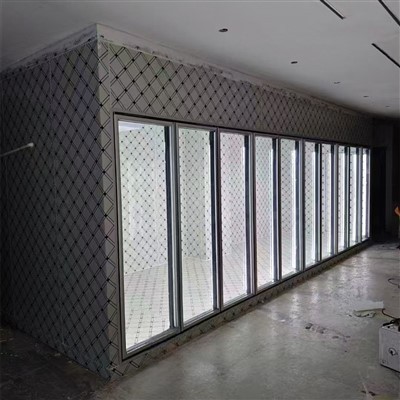

As a supplier in the supermarket refrigeration industry, I've witnessed firsthand the significant impact of refrigerant phase - out on our business and the supermarket sector as a whole. In this blog, I'll share my insights into what this phase - out means for supermarket refrigeration.
The Current State of Refrigerant Phase - Out
The refrigerant phase - out is a global initiative aimed at reducing the use of harmful substances that contribute to ozone depletion and global warming. The Montreal Protocol and its subsequent amendments have been instrumental in driving this change. Supermarket refrigeration systems have long relied on refrigerants like hydrofluorocarbons (HFCs), which have a high global warming potential (GWP).
The push to phase out these high - GWP refrigerants is gaining momentum. Many countries have set targets to gradually reduce and eventually eliminate the use of HFCs. This has forced supermarket operators and suppliers like us to reevaluate our refrigeration solutions.
Implications for Supermarket Refrigeration
1. Technological Shifts
One of the most immediate implications is the need for technological innovation. Traditional refrigeration systems that use HFCs are being replaced with more environmentally friendly alternatives. For example, natural refrigerants such as carbon dioxide (CO₂), ammonia (NH₃), and hydrocarbons (HCs) are becoming more popular.
CO₂ refrigeration systems, in particular, have gained traction in the supermarket industry. They have a very low GWP and are considered a sustainable option. However, they also come with their own set of challenges. CO₂ systems operate at higher pressures than traditional HFC systems, which requires more robust equipment design and installation.
As a supplier, we've had to invest in research and development to offer CO₂ - based refrigeration solutions. We've also had to train our technicians to handle these new systems safely and effectively.
2. Cost Considerations
The transition to new refrigerants and technologies comes with a significant cost. New equipment is often more expensive to purchase and install. For example, CO₂ refrigeration systems may require more advanced components and better insulation, which drive up the initial investment.


In addition to the upfront costs, there are also ongoing operational costs. New refrigerants may require different maintenance procedures and may be more expensive to refill. Supermarket operators need to factor in these costs when deciding whether to upgrade their refrigeration systems.
However, it's important to note that in the long run, the use of more sustainable refrigerants can lead to cost savings. For example, energy - efficient systems can reduce electricity bills over time.
3. Regulatory Compliance
Supermarkets are subject to strict regulations regarding refrigerant use. Failure to comply with these regulations can result in hefty fines. As a supplier, we play a crucial role in helping our customers stay compliant.
We need to ensure that the refrigeration systems we supply meet all the relevant environmental standards. This includes proper refrigerant management, leak detection, and reporting. We also need to provide our customers with the necessary documentation and training to ensure they can operate their systems in a compliant manner.
4. Product Offerings
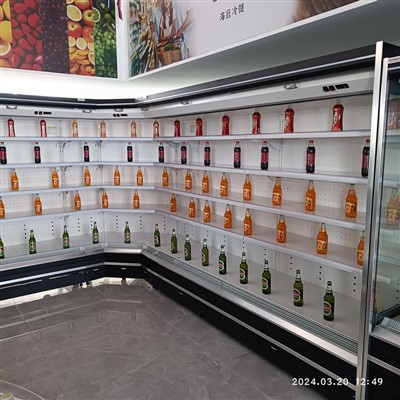
The refrigerant phase - out has also influenced our product offerings. We've expanded our range of eco - friendly refrigeration products to meet the changing needs of our customers. For example, we now offer Flower Refrigerator, which is designed to use more sustainable refrigerants and is energy - efficient.
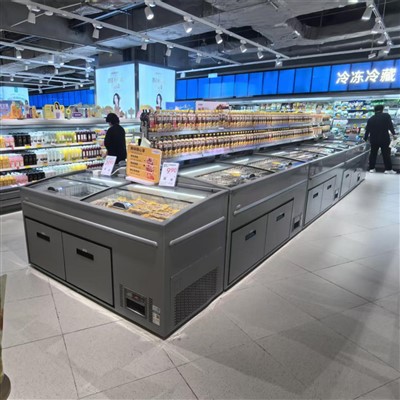
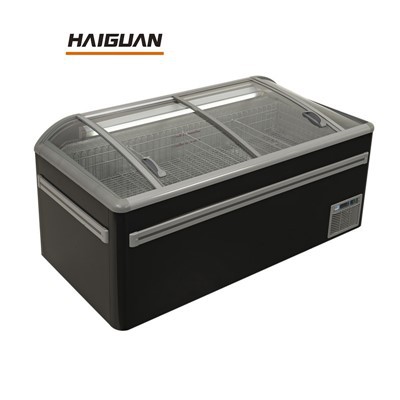
We also have Air Curtain Merchandiser and Combined Island Freezer models that are compatible with the new generation of refrigerants. These products not only help supermarkets meet environmental regulations but also provide better performance and energy savings.
Challenges and Opportunities
Challenges
- Technical Challenges: As mentioned earlier, new refrigerants and technologies come with technical challenges. For example, ammonia is a highly toxic refrigerant, and its use requires strict safety measures. CO₂ systems need careful design and installation to ensure optimal performance.
- Market Resistance: Some supermarket operators may be hesitant to switch to new refrigeration systems due to the high upfront costs and concerns about reliability. Convincing them of the long - term benefits can be a challenge.
Opportunities
- Innovation: The refrigerant phase - out has opened up opportunities for innovation in the supermarket refrigeration industry. We can develop new products and technologies that are more efficient, sustainable, and cost - effective.
- Market Expansion: As more countries implement refrigerant phase - out policies, there is a growing demand for eco - friendly refrigeration solutions. This presents an opportunity for us to expand our market share both domestically and internationally.
How We Can Help
As a supermarket refrigeration supplier, we're committed to helping our customers navigate the challenges of refrigerant phase - out. We offer a range of services, including system design, installation, maintenance, and training.
Our team of experts can assess your supermarket's refrigeration needs and recommend the most suitable solutions. We can also provide ongoing support to ensure your systems operate efficiently and comply with all regulations.
If you're a supermarket operator looking to upgrade your refrigeration systems or are simply interested in learning more about sustainable refrigeration options, we'd love to hear from you. Contact us to start a conversation about your needs and how we can help you make the transition to a more environmentally friendly future.
References
- "The Montreal Protocol on Substances that Deplete the Ozone Layer." United Nations Environment Programme.
- "Global Warming Potentials of Refrigerants." Intergovernmental Panel on Climate Change.
- "Supermarket Refrigeration: Trends and Technologies." International Institute of Refrigeration.