
As a supplier of Air Curtain Display Coolers, I often receive inquiries from customers about various technical aspects of our products. One question that frequently comes up is: "What is the air curtain thickness of an Air Curtain Display Cooler?" In this blog post, I will delve into this topic, exploring the significance of air curtain thickness, how it is measured, and its impact on the performance of the cooler.
The Importance of Air Curtain Thickness
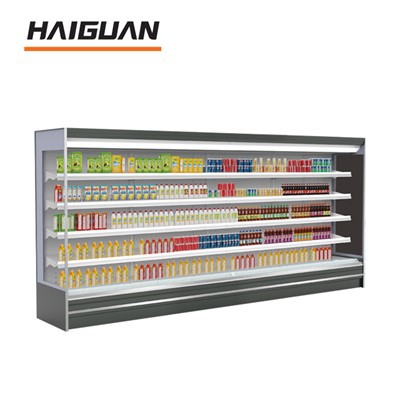
The air curtain in an Air Curtain Display Cooler plays a crucial role in maintaining the temperature inside the cooler. It acts as a barrier between the cold air inside the cooler and the warm air outside, preventing the exchange of air and reducing the amount of heat infiltration. A thicker air curtain can provide a more effective barrier, reducing energy consumption and maintaining a more stable temperature inside the cooler.
In addition to temperature control, the air curtain thickness also affects the visibility of the products inside the cooler. A thicker air curtain can create a more uniform and clear display, making it easier for customers to view and select products. This can enhance the overall shopping experience and increase sales.
Measuring Air Curtain Thickness
The thickness of the air curtain is typically measured in millimeters (mm) or inches (in). It is determined by the velocity and volume of the air flowing through the air curtain. The velocity of the air is measured in meters per second (m/s) or feet per minute (fpm), while the volume is measured in cubic meters per hour (m³/h) or cubic feet per minute (cfm).
To measure the air curtain thickness, a specialized instrument called an anemometer is used. The anemometer measures the velocity of the air at different points across the air curtain. By taking multiple measurements and calculating the average velocity, the thickness of the air curtain can be determined.


Factors Affecting Air Curtain Thickness
Several factors can affect the thickness of the air curtain in an Air Curtain Display Cooler. These include:
- Airflow Rate: The higher the airflow rate, the thicker the air curtain. A higher airflow rate can be achieved by increasing the speed of the fan or by using a larger fan.
- Fan Design: The design of the fan can also affect the thickness of the air curtain. A fan with a wider blade or a higher pitch can produce a thicker air curtain.
- Cooler Design: The design of the cooler can also play a role in the thickness of the air curtain. A cooler with a larger opening or a higher ceiling can require a thicker air curtain to maintain temperature control.
- Environmental Conditions: The environmental conditions, such as the temperature and humidity outside the cooler, can also affect the thickness of the air curtain. In warmer and more humid conditions, a thicker air curtain may be required to prevent heat infiltration.
Optimal Air Curtain Thickness
The optimal air curtain thickness for an Air Curtain Display Cooler depends on several factors, including the size of the cooler, the type of products being displayed, and the environmental conditions. In general, a thicker air curtain is better for maintaining temperature control and reducing energy consumption. However, a very thick air curtain can also create a strong draft, which may be uncomfortable for customers.
As a general rule, the air curtain thickness should be between 100 mm and 200 mm (4 inches and 8 inches). This thickness provides a good balance between temperature control and customer comfort. However, it is important to note that the optimal air curtain thickness may vary depending on the specific application.
Impact of Air Curtain Thickness on Performance
The thickness of the air curtain can have a significant impact on the performance of the Air Curtain Display Cooler. A thicker air curtain can provide a more effective barrier, reducing the amount of heat infiltration and maintaining a more stable temperature inside the cooler. This can result in lower energy consumption and longer product shelf life.
In addition, a thicker air curtain can also improve the visibility of the products inside the cooler. A more uniform and clear display can make it easier for customers to view and select products, enhancing the overall shopping experience and increasing sales.
Applications of Air Curtain Display Coolers
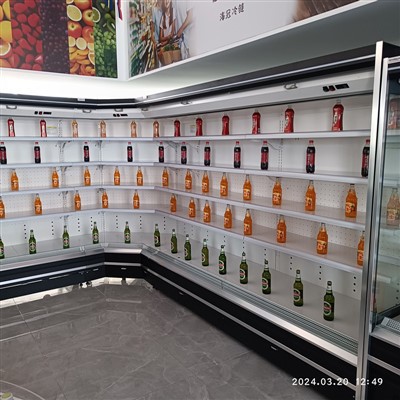
Air Curtain Display Coolers are widely used in supermarkets, convenience stores, and other retail settings. They are used to display a variety of products, including dairy products, beverages, and fresh produce. The air curtain helps to maintain the temperature of the products, preventing spoilage and extending their shelf life.
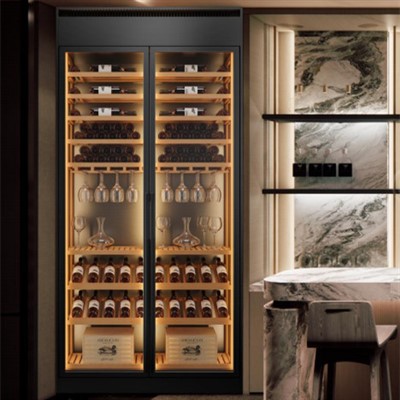
In addition to retail settings, Air Curtain Display Coolers are also used in other applications, such as restaurants, hotels, and hospitals. They are used to display food and beverages, as well as to provide a comfortable environment for customers and patients.
Related Products
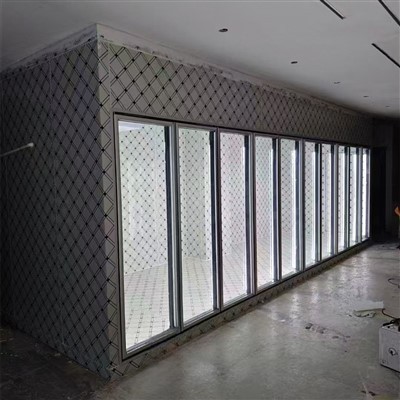
As a supplier of Air Curtain Display Coolers, we also offer a range of related products, including Backstock Walk-In Cooler, Reach in Freezer Glass Door, and Glass Top Island Freezer. These products are designed to work together to provide a comprehensive refrigeration solution for your business.
Contact Us for Procurement
If you are interested in purchasing Air Curtain Display Coolers or any of our related products, please contact us for a quote. Our team of experts will be happy to assist you in selecting the right products for your needs and provide you with the best possible pricing and service.
References
- ASHRAE Handbook - Refrigeration (2017)
- Air Curtain Manufacturer's Association (ACMA)
- International Institute of Ammonia Refrigeration (IIAR)