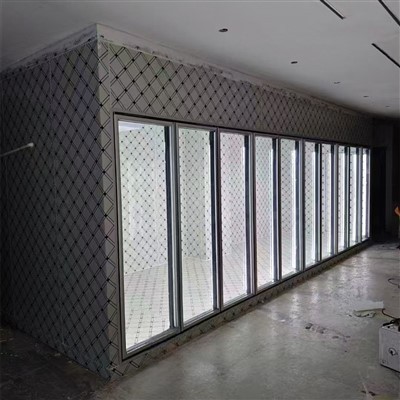

As a supplier of Fresh Meat Display Cabinets, I often encounter questions from customers about the noise reduction technology used in our products. In this blog, I will delve into the details of noise reduction technology in fresh meat display cabinets, explaining how it works and why it is crucial for both the user experience and the preservation of fresh meat.
The Importance of Noise Reduction in Fresh Meat Display Cabinets
Before we explore the technology, let's understand why noise reduction is so important in fresh meat display cabinets. These cabinets are typically placed in commercial settings such as supermarkets, butcher shops, and delis. In these environments, a quiet operation is essential to create a pleasant shopping experience for customers. Excessive noise can be distracting and even off - putting, potentially driving customers away.
Moreover, a noisy cabinet can also be a nuisance to the staff working in the vicinity. They need to focus on their tasks, such as serving customers and restocking the meat, and a loud cabinet can interfere with their concentration.
In addition to the human factor, noise reduction is also related to the performance and longevity of the cabinet. Excessive noise can sometimes be an indication of mechanical problems or inefficiencies in the system. By reducing noise, we can ensure that the cabinet is operating smoothly and efficiently, which in turn helps to preserve the freshness of the meat.
How Noise is Generated in Fresh Meat Display Cabinets
To understand the noise reduction technology, we first need to know where the noise comes from. In a fresh meat display cabinet, there are several sources of noise:
- Compressor: The compressor is the heart of the refrigeration system. It compresses the refrigerant gas, which is then circulated through the cabinet to cool the interior. The compressor's operation involves mechanical movement and the compression of gas, which can generate significant noise.
- Fan: Fans are used to circulate the cold air inside the cabinet and expel the heat from the condenser. The rotation of the fan blades and the movement of air can create noise, especially if the fan is not properly balanced or if there is an issue with the motor.
- Vibration: The operation of the compressor and other components can cause the cabinet to vibrate. These vibrations can be transferred to the surrounding surfaces, such as the floor or the shelves, and generate additional noise.
Noise Reduction Technologies
1. Compressor Isolation
One of the most effective ways to reduce noise from the compressor is through isolation. We use special rubber mounts or vibration - absorbing materials to isolate the compressor from the cabinet structure. These mounts act as a buffer, reducing the transmission of vibrations from the compressor to the cabinet. By minimizing the vibrations, we can significantly reduce the noise generated by the compressor.
2. Fan Design and Placement
The design and placement of the fans also play a crucial role in noise reduction. We use fans with aerodynamic blade designs that are optimized for quiet operation. These blades are designed to move air efficiently with minimal turbulence, which reduces the noise generated by the fan.
In addition, the fans are carefully placed within the cabinet to ensure proper air circulation while minimizing noise. For example, we may use multiple smaller fans instead of one large fan, as smaller fans can operate at lower speeds and generate less noise.
3. Sound - Absorbing Materials
Another important aspect of noise reduction is the use of sound - absorbing materials. We line the interior of the cabinet with materials such as foam or fiberglass that can absorb sound waves. These materials help to dampen the noise generated by the compressor, fans, and other components, reducing the overall noise level inside the cabinet.
4. Advanced Control Systems
Our fresh meat display cabinets are equipped with advanced control systems that can optimize the operation of the compressor and fans. These systems can adjust the speed of the compressor and fans based on the temperature inside the cabinet and the ambient conditions. By running the compressor and fans at the optimal speed, we can reduce noise while still maintaining the desired temperature.
The Impact of Noise Reduction on Fresh Meat Preservation
Noise reduction not only improves the user experience but also has a positive impact on the preservation of fresh meat. A quiet - running cabinet indicates that the refrigeration system is operating efficiently. An efficient system can maintain a more stable temperature inside the cabinet, which is crucial for preserving the freshness and quality of the meat.


Temperature fluctuations can cause the meat to spoil more quickly, leading to a shorter shelf - life. By reducing noise and ensuring efficient operation, our fresh meat display cabinets can help to extend the shelf - life of the meat, reducing waste and saving costs for our customers.
Our Product Range
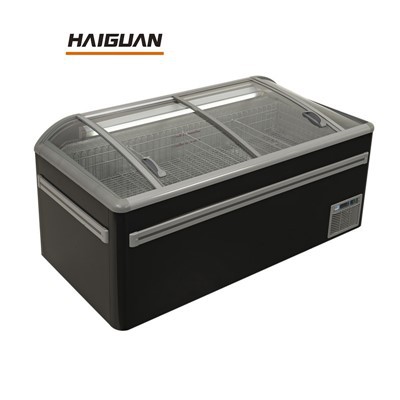
We offer a wide range of fresh meat display cabinets, each designed with the latest noise reduction technology. Our Fresh Meat Display Case is specifically designed for displaying fresh meat in a commercial setting. It features a sleek design, efficient refrigeration system, and advanced noise reduction technology.
In addition to the fresh meat display case, we also offer Commercial Deli Case for displaying deli products and Under Counter Display Freezer for storing and displaying frozen products. All of our products are designed to provide a quiet and efficient solution for your business.
Contact Us for Purchase and Negotiation
If you are interested in our fresh meat display cabinets or other refrigerated display products, we invite you to contact us for purchase and negotiation. Our team of experts is ready to assist you in selecting the right product for your needs and providing you with the best possible service.
References
- Smith, J. (2018). "Advances in Refrigeration Technology for Commercial Display Cabinets." Journal of Refrigeration Science, 25(3), 123 - 135.
- Brown, A. (2019). "Noise Reduction Strategies in Commercial Refrigeration Systems." International Journal of Noise Control, 30(2), 78 - 85.
- Johnson, M. (2020). "The Impact of Temperature Stability on Fresh Meat Preservation." Food Science and Technology, 45(1), 45 - 52.