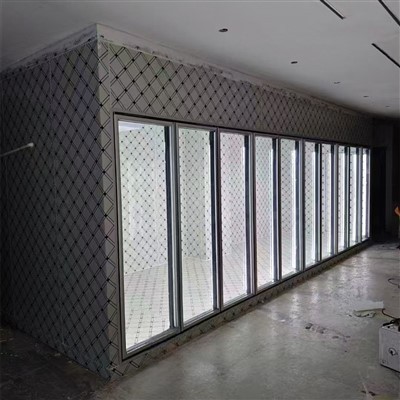

As a supplier of Fresh Meat Display Chillers, I often encounter inquiries from customers about the necessity of special ventilation for these units. In this blog, I'll delve into the topic to provide a comprehensive understanding of whether Fresh Meat Display Chillers require special ventilation.


The Working Principle of Fresh Meat Display Chillers
Fresh Meat Display Chillers are designed to maintain a specific temperature range to preserve the freshness and quality of meat products. These chillers use a refrigeration system, typically composed of a compressor, condenser, evaporator, and expansion valve. The compressor compresses the refrigerant gas, which then releases heat as it condenses in the condenser. The liquid refrigerant then passes through the expansion valve and evaporates in the evaporator, absorbing heat from the surrounding environment and cooling the interior of the chiller.
Heat Generation in Fresh Meat Display Chillers
During the operation of Fresh Meat Display Chillers, heat is generated primarily in two areas: the condenser and the compressor. The condenser releases the heat absorbed from the chiller's interior to the surrounding environment. The compressor also generates heat as it works to compress the refrigerant gas. If this heat is not properly dissipated, it can lead to several problems.
The Impact of Inadequate Ventilation
- Reduced Cooling Efficiency: When the heat generated by the chiller cannot be effectively dissipated, the refrigeration system has to work harder to maintain the desired temperature. This leads to increased energy consumption and a decrease in cooling efficiency. For example, if the condenser is blocked by dust or debris and there is no proper ventilation, the heat transfer rate will be significantly reduced, causing the chiller to take longer to cool the meat and consume more electricity.
- Component Damage: Excessive heat can also cause damage to the chiller's components. The compressor, in particular, is sensitive to high temperatures. If it operates in an environment with poor ventilation and high heat, its lifespan may be significantly shortened, leading to costly repairs or replacements.
- Food Safety Risks: Inadequate ventilation can result in temperature fluctuations within the chiller. These fluctuations can create an environment where bacteria can grow more easily, posing a risk to the safety and quality of the meat products.
Do Fresh Meat Display Chillers Require Special Ventilation?
The answer is yes, Fresh Meat Display Chillers generally require special ventilation. Here are some reasons:
- Heat Dissipation: As mentioned earlier, the condenser and compressor generate a significant amount of heat during operation. Special ventilation helps to remove this heat efficiently, ensuring that the chiller operates at its optimal performance. For instance, installing exhaust fans near the condenser can help to increase the airflow and enhance heat dissipation.
- Air Quality: In a commercial setting where Fresh Meat Display Chillers are used, there may be other sources of odors and contaminants. Proper ventilation helps to maintain good air quality by removing these odors and contaminants, creating a more pleasant and healthy environment for both customers and employees.
- Compliance with Regulations: Many local health and safety regulations require proper ventilation for commercial refrigeration equipment. By providing special ventilation for Fresh Meat Display Chillers, you can ensure compliance with these regulations and avoid potential fines or penalties.
Types of Ventilation for Fresh Meat Display Chillers
- Natural Ventilation: This involves using natural air movement to dissipate heat. For example, placing the chiller near an open window or in an area with good air circulation can help to remove heat. However, natural ventilation may not be sufficient in all cases, especially in areas with high ambient temperatures or limited air movement.
- Mechanical Ventilation: This includes the use of fans, blowers, or exhaust systems to enhance air circulation. Mechanical ventilation can be more effective than natural ventilation, especially in large commercial settings. For example, a ventilation system can be installed to draw air from the chiller's condenser and exhaust it outside the building.
Considerations for Ventilation Design
- Airflow Requirements: The ventilation system should be designed to provide sufficient airflow to remove the heat generated by the chiller. This requires calculating the heat load of the chiller and determining the appropriate airflow rate.
- Location of Ventilation Inlets and Outlets: The inlets and outlets of the ventilation system should be strategically located to ensure efficient heat transfer. For example, the inlet should be located in an area with clean air, and the outlet should be directed away from the building to prevent the recirculation of hot air.
- Maintenance: Regular maintenance of the ventilation system is essential to ensure its proper operation. This includes cleaning the filters, checking the fans, and inspecting the ductwork for any blockages.
Related Products and Their Ventilation Needs
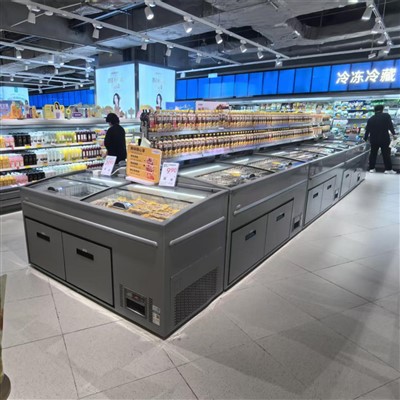
In addition to Fresh Meat Display Chillers, other refrigerated display cases also require proper ventilation. For example, the Refrigerated Island Display Case is a popular choice for supermarkets and grocery stores. It also generates heat during operation and needs effective ventilation to maintain its cooling performance. Similarly, the Commercial Deli Case used for displaying deli products also requires proper ventilation to ensure the freshness and safety of the food.
Conclusion
In conclusion, Fresh Meat Display Chillers require special ventilation to ensure their efficient operation, protect the components, and maintain food safety. Whether you are using natural or mechanical ventilation, it is important to design the ventilation system carefully and perform regular maintenance. If you are in the market for a Fresh Meat Display Chiller or other refrigerated display cases, we can provide you with high-quality products and professional advice on ventilation design. If you have any questions or are interested in purchasing our products, please feel free to contact us for further discussion and negotiation.
References
- ASHRAE Handbook - Refrigeration.
- Food Safety and Inspection Service (FSIS) regulations on commercial refrigeration.