
As a supplier of household refrigerators, I often get asked the question: "How often should I clean my household refrigerator?" It's a crucial query because proper cleaning not only ensures the longevity of your fridge but also maintains the quality and safety of the food stored inside. In this blog, I'll delve into the factors that influence the cleaning frequency and provide some practical guidelines to keep your refrigerator in top - notch condition.
Factors Affecting Cleaning Frequency
Usage Patterns
The way you use your refrigerator significantly impacts how often it needs cleaning. If you're someone who frequently opens and closes the fridge, there's a higher chance of spills, crumbs, and food particles accumulating. For instance, a large family that does a lot of cooking and snacking throughout the day will likely need to clean the fridge more often than a single person living alone.
Moreover, if you store a lot of fresh produce, dairy products, or raw meat, these items can leak juices or spoil quickly, leading to unpleasant odors and potential bacterial growth. On the other hand, if you mainly store pre - packaged and non - perishable items, the fridge may stay cleaner for longer.

Location and Environment
The location of your refrigerator also plays a role. If it's placed in a warm and humid area, such as near a stove or in a poorly ventilated room, it can encourage the growth of mold and mildew. In such cases, more frequent cleaning is necessary. Additionally, if your home is in an area with a lot of dust or pet hair, these particles can find their way into the fridge and require more regular maintenance.
Type of Refrigerator
Different types of refrigerators have different cleaning requirements. For example, frost - free refrigerators generally need less maintenance compared to non - frost - free models. Frost - free fridges prevent ice buildup, reducing the need for defrosting and associated cleaning. However, they still require regular interior cleaning to remove spills and debris.
On the other hand, larger refrigerators, such as side - by - side or French door models, have more storage space and compartments, which means there are more areas to clean. This might necessitate more frequent cleaning to ensure all parts are well - maintained.
Recommended Cleaning Frequencies
Weekly Cleaning
A weekly cleaning routine is ideal for most households. Start by removing all the food items from the fridge. Check for any expired or spoiled food and discard it. Use a mild detergent and a soft cloth to wipe down the shelves, drawers, and walls of the fridge. Pay special attention to areas where spills have occurred.
Clean the door seals as well, as they can collect dirt and debris over time. A dirty door seal can lead to poor insulation, causing the fridge to work harder and consume more energy. You can use a mixture of warm water and vinegar to clean the seals effectively.
Monthly Deep Cleaning
Once a month, it's time for a more thorough cleaning. In addition to the weekly tasks, you should also clean the condenser coils. The condenser coils are usually located at the back or bottom of the fridge. Over time, they can accumulate dust and dirt, which reduces the fridge's efficiency. Use a vacuum cleaner or a coil brush to gently remove the debris from the coils.
You can also take this opportunity to organize the fridge. Rearrange the items to ensure proper air circulation. This not only helps in maintaining the temperature but also makes it easier to find what you need.
Seasonal Maintenance
Twice a year, it's a good idea to perform a comprehensive maintenance check. This includes checking the temperature settings, ensuring the door closes properly, and inspecting the water filter (if your fridge has one). You can use a thermometer to verify that the fridge is maintaining the correct temperature. The ideal temperature for the fridge compartment is between 35°F and 38°F (1.7°C - 3.3°C), while the freezer should be at 0°F (- 18°C).
The Importance of Regular Cleaning
Food Safety
One of the primary reasons to clean your refrigerator regularly is to ensure food safety. Bacteria and mold can grow on food residues and spills, which can contaminate other food items in the fridge. By keeping the fridge clean, you reduce the risk of foodborne illnesses.
Energy Efficiency
A clean refrigerator operates more efficiently. When the condenser coils are dirty, the fridge has to work harder to maintain the desired temperature, which consumes more energy. Regular cleaning of the coils can help reduce energy consumption and lower your electricity bills.
Odor Control
A clean fridge smells fresh. Spoiled food and spills can create unpleasant odors that can permeate the entire fridge and even your kitchen. By cleaning the fridge regularly, you can prevent these odors from developing and keep your kitchen smelling nice.
Our Product Range
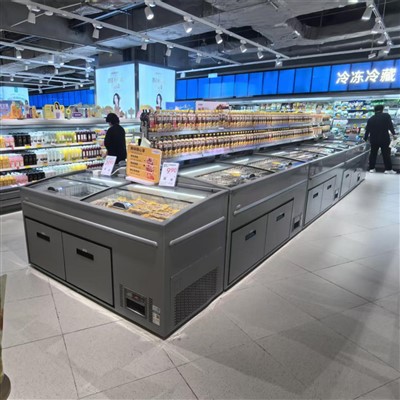
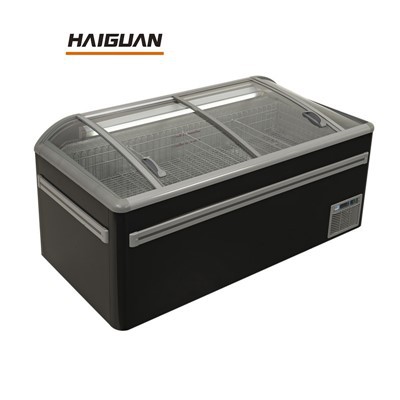
As a household refrigerator supplier, we offer a wide range of high - quality refrigerators to meet your needs. In addition to our standard household fridges, we also provide commercial - grade refrigeration solutions. For example, our Island Freezer is perfect for supermarkets and large - scale food storage. It offers excellent cooling performance and ample storage space.
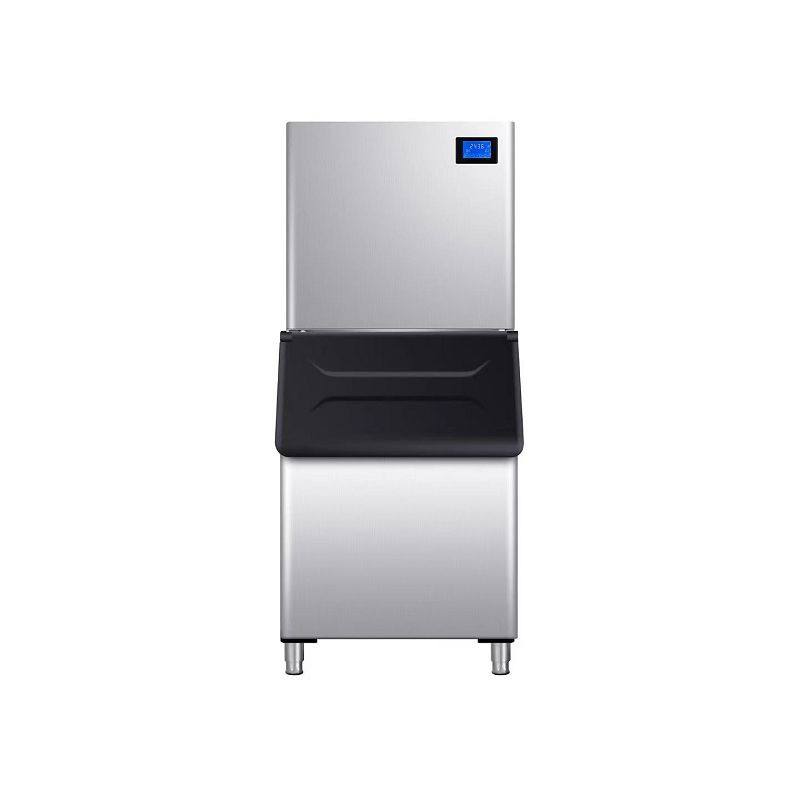
Our Granular Ice Machine is another great product for businesses that require a constant supply of ice. It produces high - quality granular ice quickly and efficiently.
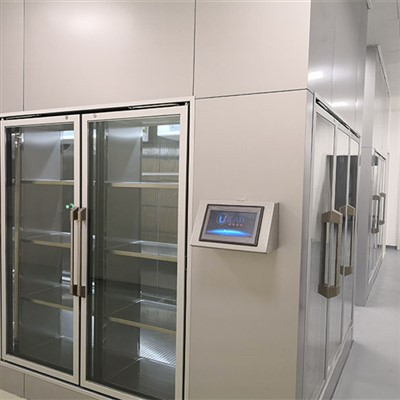
For those in need of large - scale cold storage, our Backstock Walk - In Cooler is an ideal choice. It provides a spacious and well - insulated environment for storing perishable goods.
Contact Us for Purchasing
If you're interested in purchasing a household refrigerator or any of our other refrigeration products, we encourage you to reach out to us. Our team of experts is ready to assist you in finding the right product for your needs. Whether you're a homeowner looking for a reliable fridge or a business owner in need of commercial refrigeration solutions, we have the products and expertise to meet your requirements.
References
- "Refrigerator Maintenance Guide", Consumer Reports
- "Food Safety in the Refrigerator", Centers for Disease Control and Prevention
- "Energy - Efficient Refrigeration", U.S. Department of Energy