
As a supplier of Pharmaceutical Cold Storage, I've seen firsthand the importance of ergonomics in this specialized work environment. Let's dive into the key ergonomic considerations for workers in pharmaceutical cold storage.
1. Temperature and Climate Control
Working in a pharmaceutical cold storage facility means dealing with extremely low temperatures. Prolonged exposure to cold can lead to a range of health issues, from mild discomfort to more serious conditions like hypothermia. Workers need to be properly equipped with appropriate cold - weather gear. This includes insulated jackets, pants, gloves, and boots. The gear should be flexible enough to allow for easy movement, as workers often need to bend, lift, and reach for items.
Moreover, the cold storage area should have proper ventilation. While the primary goal is to maintain low temperatures, fresh air circulation is crucial to prevent the build - up of stale air and potential contaminants. This not only ensures the quality of the stored pharmaceuticals but also the well - being of the workers.


2. Workspace Layout
The layout of the cold storage facility plays a significant role in ergonomics. Shelving units should be at a height that is easily accessible for workers. For example, frequently accessed items should be placed at waist - to - shoulder height to reduce the need for excessive bending or reaching. This helps prevent back and neck strain, which are common injuries in this type of work.
The aisles between the storage units should be wide enough to allow for easy movement of workers and equipment. Narrow aisles can force workers to twist and turn in awkward positions, increasing the risk of injury. Additionally, the layout should be organized in a logical manner, so workers can quickly locate the items they need without having to search for long periods.
3. Equipment Design
The equipment used in pharmaceutical cold storage also needs to be ergonomically designed. For instance, pallet jacks and forklifts should have comfortable handles and controls. The controls should be easy to reach and operate, even when wearing thick gloves. This reduces the strain on the hands and wrists.
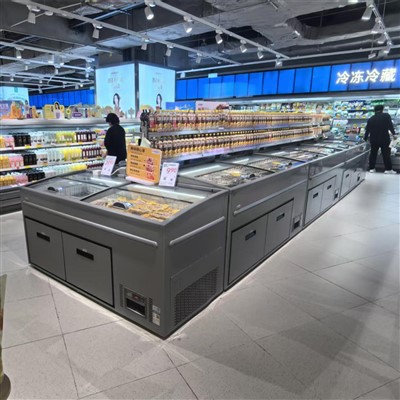
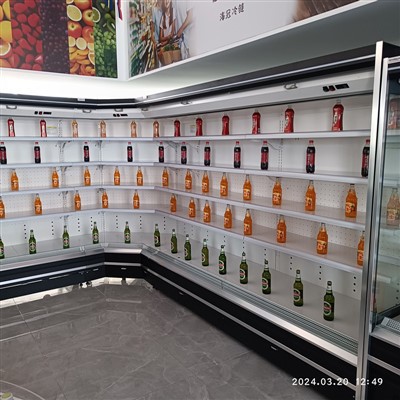
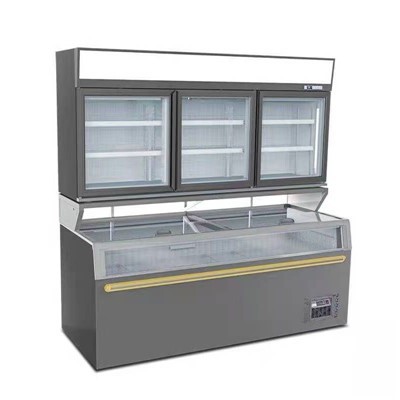
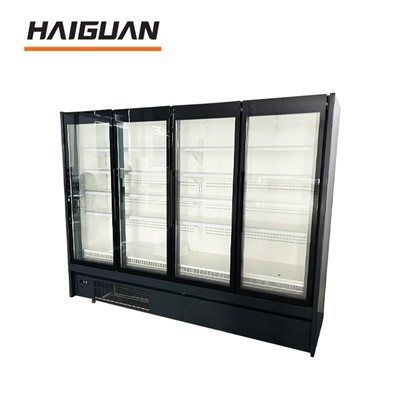
Open Front Display Chiller is a great example of equipment that can be designed with ergonomics in mind. These chillers are often used to display pharmaceutical products, and their design should allow for easy access and handling of the items inside. Similarly, Island Freezer and Frozen Cold Storage should be designed to minimize the physical effort required to load and unload products.
4. Lighting
Proper lighting is essential in a cold storage environment. Dim lighting can make it difficult for workers to see clearly, increasing the risk of accidents. The lighting should be bright enough to illuminate the entire workspace, including the shelves and aisles. It should also be evenly distributed to avoid glare and shadows.
LED lights are a good choice for cold storage facilities. They are energy - efficient and can provide consistent lighting even in low - temperature conditions. Additionally, the lighting should be adjustable to meet the specific needs of different tasks. For example, when performing detailed inspections, brighter lighting may be required.
5. Rest and Break Areas
Workers in pharmaceutical cold storage need regular breaks to rest and warm up. Rest areas should be located outside the cold storage area and should be equipped with heating, comfortable seating, and access to hot drinks. This helps workers recover from the cold and reduces the risk of fatigue.
It's also important to provide a sufficient number of break times throughout the workday. Fatigue can lead to decreased productivity and an increased risk of accidents. By allowing workers to rest and recharge, employers can ensure a safer and more efficient work environment.
6. Training and Education
Proper training is crucial for workers in pharmaceutical cold storage. They should be educated on the ergonomic principles and how to apply them in their daily work. This includes training on proper lifting techniques, how to use equipment safely, and how to recognize the signs of fatigue and injury.
Training should be ongoing, as new equipment and processes may be introduced over time. Workers should also be encouraged to report any discomfort or potential safety issues to their supervisors. This helps to identify and address ergonomic problems before they lead to serious injuries.
7. Mental Health Considerations
Working in a cold and isolated environment can take a toll on workers' mental health. The long hours, low temperatures, and repetitive nature of the work can lead to stress, anxiety, and depression. Employers should provide support and resources to help workers manage their mental health.
This can include access to counseling services, stress - management training, and opportunities for social interaction. Creating a positive work culture where workers feel valued and supported can also have a significant impact on their mental well - being.
Why Choose Our Pharmaceutical Cold Storage Solutions
At our company, we understand the importance of ergonomics in pharmaceutical cold storage. Our products are designed with the well - being of workers in mind. We offer a wide range of cold storage solutions, including Open Front Display Chiller, Island Freezer, and Frozen Cold Storage.
Our equipment is not only energy - efficient but also ergonomically designed to reduce the physical strain on workers. We also provide comprehensive training and support to ensure that our customers' workers can operate the equipment safely and efficiently.
If you're in the market for pharmaceutical cold storage solutions, we'd love to have a chat with you. Whether you're looking to upgrade your existing facility or build a new one, our team of experts can help you find the right solutions for your needs. Contact us today to start the conversation!
References
- Grandjean, E. (1988). Fitting the Task to the Man: An Ergonomic Approach. Taylor & Francis.
- Konz, S., & Johnson, S. (2012). Work Design: Industrial Ergonomics. Holcomb Hathaway.