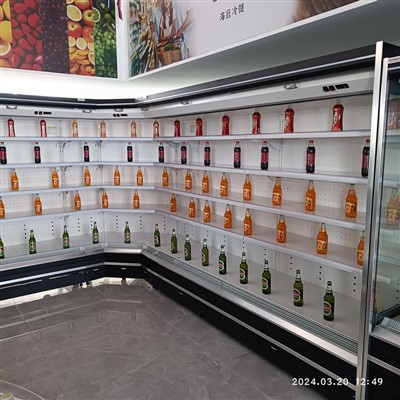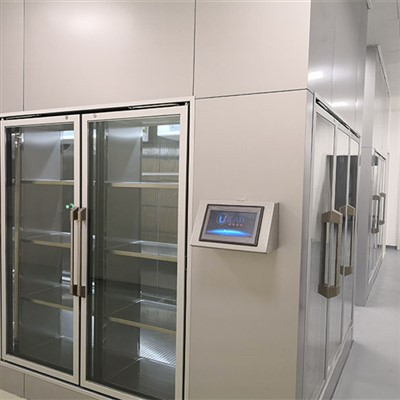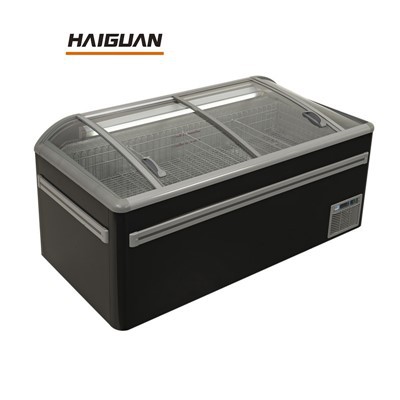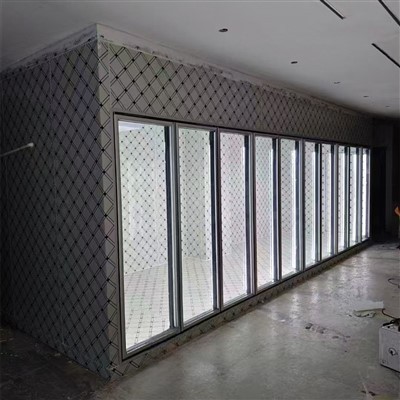

As a seasoned supplier of Air Curtain Cabinets, I understand the critical role that proper airflow adjustment plays in the efficient operation of these units. In this blog post, I'll share some insights and practical tips on how to adjust the airflow of an air curtain cabinet to ensure optimal performance.
Understanding the Importance of Airflow in Air Curtain Cabinets
Air curtain cabinets are designed to create a barrier of air that separates the cold interior of the cabinet from the warm ambient air outside. This helps to maintain a consistent temperature inside the cabinet, reducing energy consumption and preventing the growth of bacteria and mold. Proper airflow is essential for the effectiveness of this barrier. If the airflow is too weak, the warm air can penetrate the cabinet, causing the temperature to rise. On the other hand, if the airflow is too strong, it can create turbulence and disrupt the barrier, also leading to temperature fluctuations.
Factors Affecting Airflow
Before we delve into the adjustment process, it's important to understand the factors that can affect the airflow in an air curtain cabinet. These include:
- Fan Speed: The speed of the fan determines the volume of air that is circulated. A higher fan speed will result in a stronger airflow, while a lower speed will produce a weaker one.
- Air Outlet Design: The design of the air outlet can also impact the airflow. A well-designed outlet will distribute the air evenly across the cabinet, creating a more effective barrier.
- Cabinet Size and Layout: The size and layout of the cabinet can affect the airflow pattern. Larger cabinets may require more powerful fans to maintain a consistent airflow, while the layout of the shelves and compartments can also influence the distribution of air.
- Ambient Conditions: The temperature and humidity of the surrounding environment can also have an impact on the airflow. In hot and humid conditions, the air may be more difficult to circulate, requiring adjustments to the fan speed or other settings.
Steps to Adjust the Airflow
Now that we understand the factors that affect airflow, let's look at the steps involved in adjusting the airflow of an air curtain cabinet.


Step 1: Check the Fan Speed
The first step is to check the fan speed. Most air curtain cabinets have a variable speed control that allows you to adjust the fan speed. Start by setting the fan to the lowest speed and observe the airflow. If the airflow is too weak, gradually increase the fan speed until you achieve the desired level of airflow. Be careful not to set the fan speed too high, as this can cause excessive noise and energy consumption.
Step 2: Inspect the Air Outlet
Next, inspect the air outlet to ensure that it is clean and unobstructed. A blocked air outlet can restrict the airflow and reduce the effectiveness of the air curtain. Use a soft brush or vacuum cleaner to remove any dust or debris from the outlet. If the outlet is damaged, it may need to be replaced.
Step 3: Adjust the Airflow Direction
The airflow direction can also be adjusted to optimize the performance of the air curtain. Most air curtain cabinets have adjustable louvers that allow you to direct the airflow in different directions. Experiment with different settings to find the most effective airflow pattern for your cabinet. For example, if the cabinet is located near a door or window, you may want to direct the airflow towards the opening to prevent warm air from entering.
Step 4: Consider the Cabinet Layout
The layout of the cabinet can also affect the airflow. Make sure that the shelves and compartments are arranged in a way that allows for proper air circulation. Avoid overcrowding the cabinet, as this can restrict the airflow and cause temperature variations. If necessary, rearrange the items in the cabinet to improve the airflow.
Step 5: Monitor the Temperature
Finally, it's important to monitor the temperature inside the cabinet to ensure that the airflow adjustment has been effective. Use a thermometer to measure the temperature at different locations inside the cabinet. If the temperature is not consistent or is outside the desired range, you may need to make further adjustments to the airflow.
Additional Tips for Optimal Airflow
- Regular Maintenance: Regular maintenance is essential for ensuring the optimal performance of your air curtain cabinet. Clean the filters, coils, and fans regularly to prevent the buildup of dust and debris. This will help to maintain a consistent airflow and reduce energy consumption.
- Proper Installation: Make sure that the air curtain cabinet is installed correctly. The cabinet should be level and positioned away from sources of heat and direct sunlight. This will help to ensure that the airflow is not affected by external factors.
- Use of Accessories: There are several accessories available that can help to improve the airflow in an air curtain cabinet. For example, air deflectors can be used to direct the airflow in a specific direction, while air filters can help to remove dust and other contaminants from the air.
Conclusion
Adjusting the airflow of an air curtain cabinet is a crucial step in ensuring its optimal performance. By following the steps outlined in this blog post and considering the factors that affect airflow, you can create a more effective air barrier, reduce energy consumption, and maintain a consistent temperature inside the cabinet.
If you're in the market for an air curtain cabinet or need assistance with airflow adjustment, we're here to help. As a leading supplier of Combined Island Freezer, Pharmaceutical Cold Storage, and Reach in Freezer Glass Door, we have the expertise and experience to provide you with the best solutions for your refrigeration needs. Contact us today to discuss your requirements and explore our range of products.
References
- ASHRAE Handbook - Refrigeration. American Society of Heating, Refrigerating and Air-Conditioning Engineers.
- "Air Curtain Design and Application" by Refrigeration and Air Conditioning Contractors Association.
- Manufacturer's manuals for air curtain cabinets.