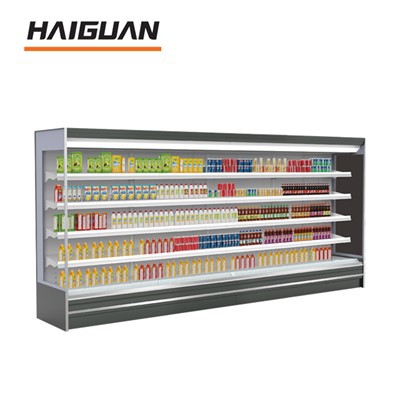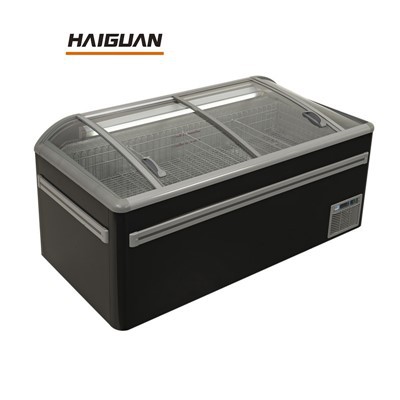
Understanding the real-world performance of refrigeration systems can provide invaluable insights for businesses looking to invest in commercial freezing and refrigeration equipment. Case studies are an excellent way to showcase the effectiveness of these systems in various industries, demonstrating the tangible benefits of investing in modern, energy-efficient solutions. Below are some notable examples that highlight how businesses in different sectors have successfully implemented refrigeration systems to address their specific needs.
1. Supermarket Chain Using Fresh Meat Display Cases
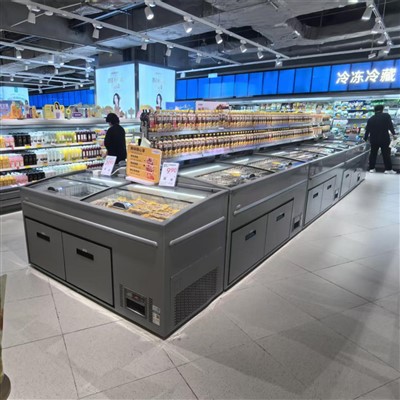
A large supermarket chain in the United States faced a common challenge in the food retail industry: ensuring fresh meat remained at the optimal temperature while being presented in an attractive manner. The supermarket needed to upgrade its refrigeration systems to enhance product visibility, prevent spoilage, and improve energy efficiency. After evaluating several options, the supermarket selected custom-designed fresh meat display cases, which incorporated advanced refrigeration technology and energy-efficient features. These new units not only maintained precise temperature control but also had transparent glass fronts that improved the visibility of the fresh meat, making it more appealing to customers.
The implementation of these custom display cases had several positive outcomes. First, the supermarket saw a significant reduction in product spoilage due to the improved temperature consistency. With fresher products, waste was reduced, leading to lower operational costs. Additionally, the enhanced presentation attracted more customers, which resulted in increased sales and customer satisfaction. By investing in high-quality refrigeration equipment, the supermarket chain was able to create a more efficient, customer-friendly environment while also cutting down on losses associated with food spoilage.
2. Pharmaceutical Cold Storage for a Global Healthcare Provider
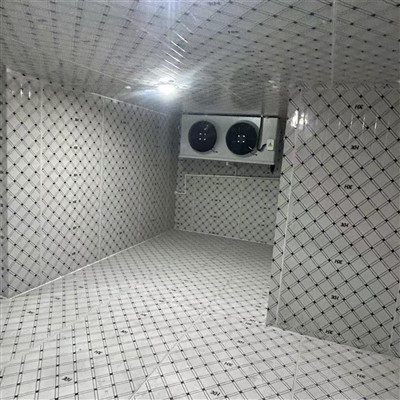
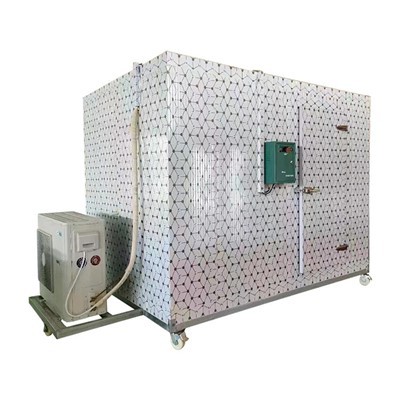
Temperature-controlled storage is vital in the pharmaceutical industry, where drugs and vaccines must be stored at specific temperatures to maintain their effectiveness and safety. A global healthcare provider faced the challenge of maintaining the strict temperature control requirements for storing temperature-sensitive medications. They needed a refrigeration solution that would not only comply with regulatory standards but also allow for real-time monitoring of temperature fluctuations to prevent costly losses.
After thorough research, the healthcare provider opted for advanced pharmaceutical cold storage units equipped with sophisticated temperature monitoring systems. These units featured built-in sensors that tracked temperature changes and sent alerts if the temperature deviated from the required range. This real-time monitoring allowed the company to take immediate corrective actions and ensured that their drugs and vaccines were stored at the optimal temperature throughout the storage period. The result was a significant reduction in the risk of product spoilage or degradation, which helped the company avoid potential regulatory issues and financial losses. By investing in specialized refrigeration systems, the healthcare provider was able to meet stringent storage requirements while ensuring the safety and efficacy of their products.
3. Hotel Using Energy-Efficient Ice Makers
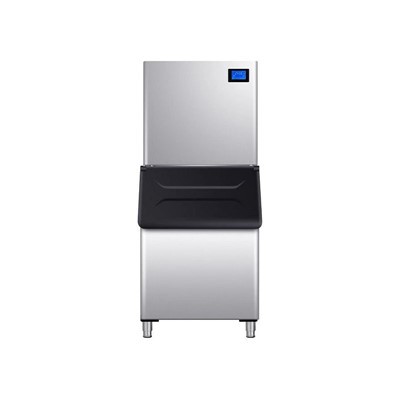
Hotels, particularly those in high-traffic tourist destinations, require reliable ice-making equipment to ensure guests have access to ice at all times. A large hotel in a busy tourist location was experiencing issues with its outdated ice-making systems, which consumed a lot of energy and resulted in inconsistent ice production. In response, the hotel decided to upgrade its ice-making equipment by replacing the old units with modern, energy-efficient ice makers and flake ice machines.
The new ice-making units provided several benefits. They were more energy-efficient, using up to 30% less electricity than the older systems. This reduction in energy consumption translated to significant savings on the hotel's electricity bills. Additionally, the ice production was more reliable, ensuring that the hotel could consistently provide guests with a steady supply of ice without interruptions. With the reduced energy costs and the ability to maintain a constant ice supply, the hotel experienced improved operational efficiency, as well as enhanced guest satisfaction. The hotel's investment in energy-efficient ice makers ultimately contributed to both cost savings and better guest experiences.
Conclusion
These case studies clearly demonstrate the tangible benefits of investing in high-quality refrigeration equipment. By selecting the right refrigeration solutions, businesses in various sectors-such as retail, healthcare, and hospitality-can improve product preservation, reduce waste, lower energy costs, and enhance customer satisfaction. The key takeaway is that investing in modern, energy-efficient refrigeration systems not only addresses specific operational challenges but also offers a return on investment through long-term cost savings and improved business performance. Whether it's ensuring the freshness of meat, maintaining the safety of pharmaceuticals, or providing a steady supply of ice to guests, refrigeration systems play an essential role in the success of these businesses.