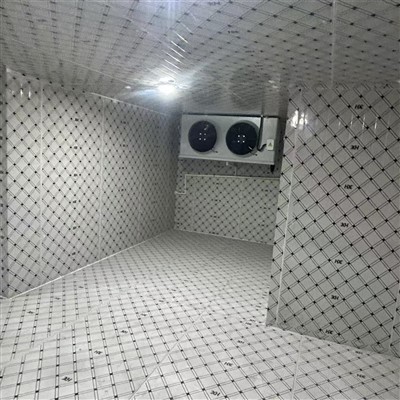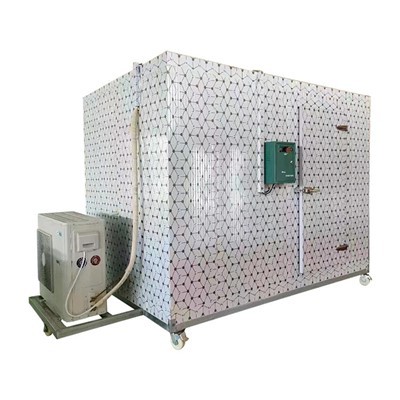
Low temperature cold storage warehouses rely on advanced insulation technology to maintain consistent temperatures between 0°C and -18°C, preserving the quality of perishable goods. At the heart of these facilities are high-density polyurethane rigid foam panels, which provide exceptional thermal resistance to prevent heat transfer from the outside. The panels are clad with 0.4–0.6 mm color steel or stainless steel plates, creating a durable, airtight seal that locks in cold air and keeps out moisture. Unlike traditional brick-and-mortar cold rooms, these modular panels are prefabricated, allowing for quick assembly and customizable sizes to fit different storage needs. This combination of insulation and structural design ensures the low temperature cold storage warehouse operates efficiently, reducing energy costs while maintaining the required temperature range.
The effectiveness of the insulation directly impacts the warehouse's performance. The polyurethane foam's closed-cell structure prevents air leakage, which is critical for maintaining low temperatures and preventing frost buildup. The steel cladding adds strength and corrosion resistance, protecting the foam from damage and extending the warehouse's lifespan. Proper installation, including sealing panel joints and using airtight doors, further enhances insulation performance. For businesses storing food, pharmaceuticals, or other temperature-sensitive products, the reliable insulation of a low temperature cold storage warehouse ensures goods remain fresh and safe, reducing waste and maintaining product quality throughout the supply chain.