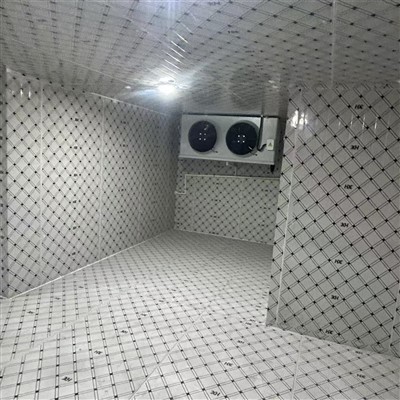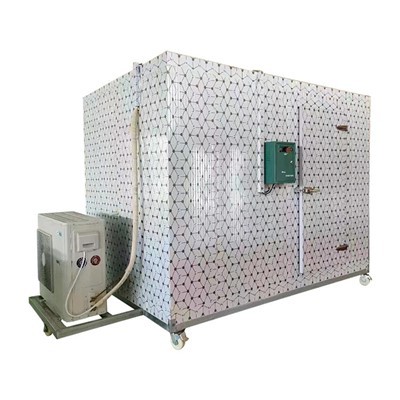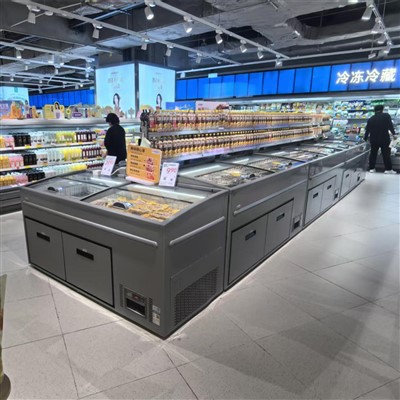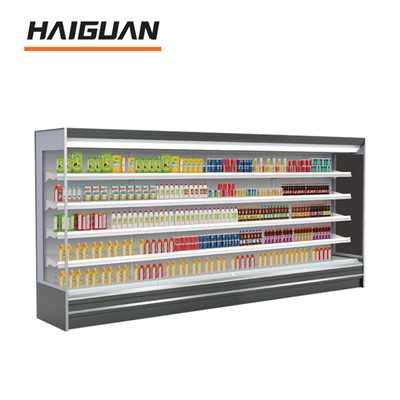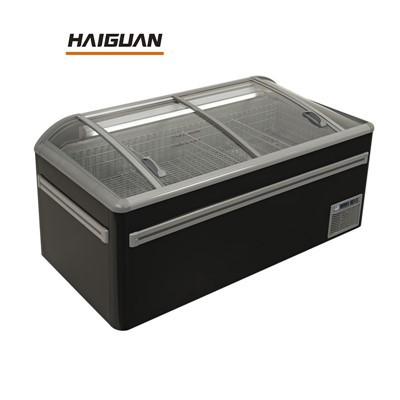
Low temperature cold storage warehouses are designed to handle a range of temperature requirements, making them versatile for different storage needs. The most common range is 0°C to 5°C, used for fresh produce, dairy products, and prepared foods that require cool but not freezing temperatures to stay fresh. For frozen goods like meat, seafood, and ice cream, the temperature drops to -18°C or lower, slowing bacterial growth and preventing spoilage. Some facilities also offer multi-temperature zones, allowing businesses to store different products in separate areas with specific temperature settings.
The choice of temperature depends on the type of product being stored. Fresh fruits and vegetables, for example, require precise humidity and temperature control to prevent wilting or mold growth, typically between 0°C and 10°C. Frozen foods, by contrast, need consistent temperatures below -18°C to maintain quality and safety. The low temperature cold storage warehouse's refrigeration system is calibrated to maintain these ranges, with sensors and controls that monitor and adjust temperatures in real time. This flexibility makes these warehouses suitable for a wide range of industries, from food processing to pharmaceuticals, where different products have unique temperature requirements.