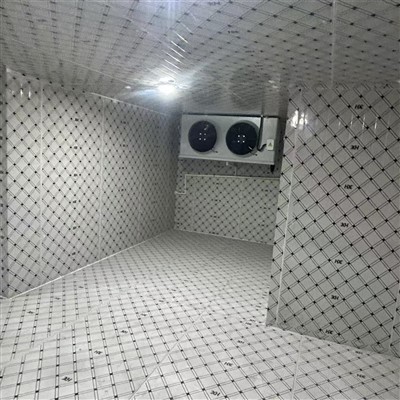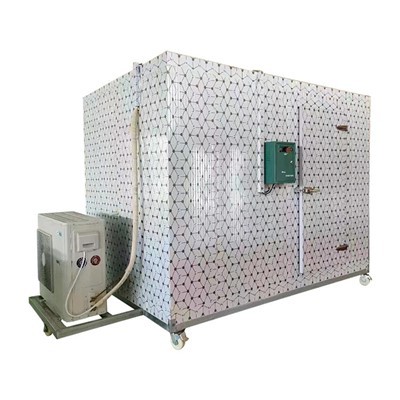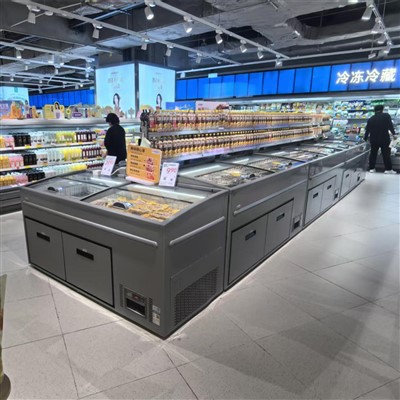
Low temperature cold storage warehouses play a vital role in preserving food quality from production to consumption, extending the shelf life of perishable goods like meat, seafood, fruits, and vegetables. By maintaining temperatures as low as -18°C, these facilities slow down bacterial growth and enzymatic reactions that cause spoilage, keeping food fresh for longer periods. For example, frozen meat stored at -18°C can remain safe for consumption for months, while fresh produce stored at 0°C retains its texture and nutritional value. The controlled environment also prevents moisture loss and freezer burn, ensuring products maintain their appearance and taste.
Beyond preservation, low temperature cold storage warehouses support the efficiency of the food supply chain. They allow producers to store large quantities of goods, balancing supply and demand and reducing waste from overproduction. For retailers, these warehouses serve as distribution hubs, providing a steady supply of fresh and frozen products to stores. The modular design of many cold storage facilities also allows businesses to scale their storage capacity as needed, whether expanding during peak seasons or downsizing during slower periods. By ensuring food remains safe and fresh, low temperature cold storage warehouses help reduce food waste and keep the food supply chain running smoothly.