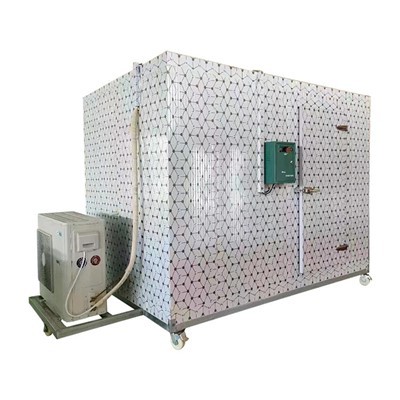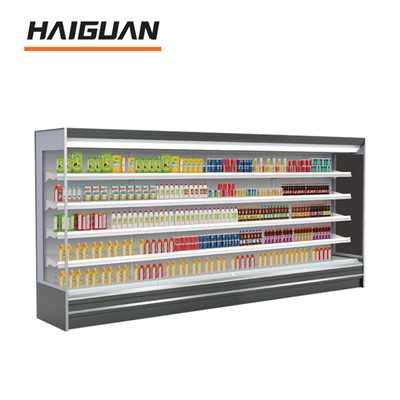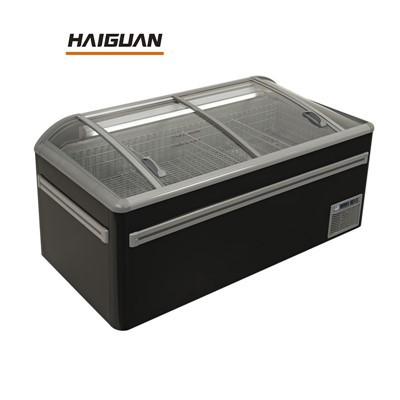
Generally, refrigerated cold storage facilities use refrigeration systems that utilize a liquid with a very low vaporization temperature (such as ammonia or Freon) as a refrigerant. This refrigerant evaporates under low pressure and mechanical control, absorbing heat from the storage area and thus achieving cooling and temperature reduction.
The most commonly used is the compression refrigeration system, which mainly consists of a compressor, condenser, expansion valve, and evaporator coils. Based on the arrangement of the evaporator coils, it can be divided into two types: direct cooling and indirect cooling. In direct cooling, the evaporator coils are installed inside the cold storage room. As the liquid refrigerant passes through the evaporator coils, it directly absorbs heat from the room, thus lowering the temperature.
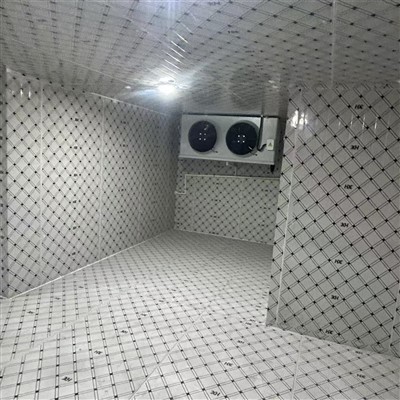
In indirect cooling, a blower draws air from the storage room into an air cooling device. The air is cooled by absorbing heat from the evaporator coils within the cooling device, and then returned to the storage room. The advantages of air cooling are rapid cooling, more uniform temperature distribution within the storage room, and the ability to remove harmful gases such as carbon dioxide produced during storage.