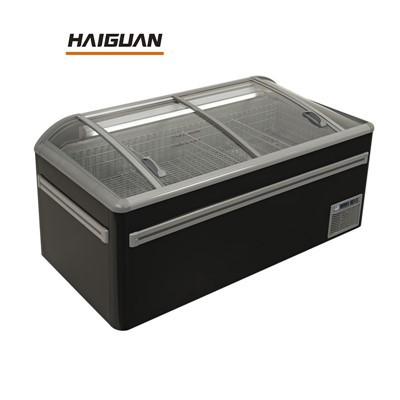
Mold Removal, Sterilization, and Disinfection of Cold Storage
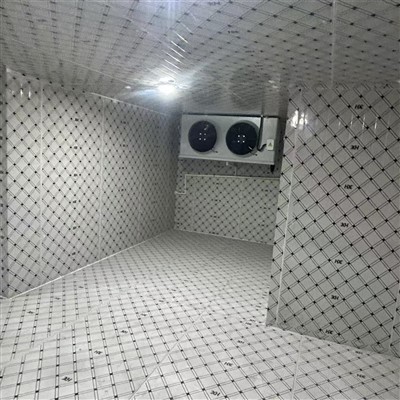
The cooking ingredients and food stored in cold storage contain certain amounts of fat, protein, and starch. The presence of these nutrients allows mold and bacteria to multiply and grow in large quantities. To ensure proper hygiene management of the cold storage and guarantee the quality of stored food and cooking ingredients, regular disinfection of the cold storage is necessary. For mold removal and sterilization of the cold storage, acid-based disinfectants can be used first.
The bactericidal effect of acid-based disinfectants is mainly due to the coagulation of proteins in the bacterial cells. Common disinfectants include lactic acid, peracetic acid, bleaching powder, and formalin. The specific method is as follows: After the fish are removed from the cold storage, clean the frost layer on the evaporator coil, and maintain the storage temperature below 50°C. Then, prepare a solution using 50-100 grams of vinegar per cubic meter of cold storage volume. Spray the solution into the storage using a sprayer. Close the storage door tightly, and intermittently operate the blower to allow the vinegar to evaporate and circulate within the storage, allowing the vinegar to absorb the fishy odor.
Methods for Eliminating Odors in Cold Storage
1.Reasons for Odors in Cold Storage: Odors in cold storage refer to abnormal smells produced by cooking ingredients and food due to physical and chemical changes under external factors. Over time, this odor adheres to the walls, ceiling, equipment, and tools of the cold storage. Generally, there are several reasons for odors in cold storage: An odor already exists in the cold storage before food is stored. The food is spoiled before being placed in cold storage, such as spoiled eggs, meat, or fish. Meat, eggs, or fruits and vegetables are stored in a cold storage that previously stored fish without proper cleaning, resulting in odor contamination and spoilage. Poor ventilation in the cold storage, excessive temperature and humidity, leading to a large number of mold growth and moldy odors. Leakage in the cold storage refrigeration pipes, where the refrigerant (ammonia) contaminates the food, causing odors. The temperature in the cold storage does not drop, causing the meat to spoil and produce a putrid odor. This situation often occurs when fresh meat is transferred to storage without being properly frozen. Methods to prevent odors in cold storage rooms containing different types of food: Food entering cold storage must be inspected; only non-perishable food should be stored. The cold storage room must be free of odors before receiving goods.
2.If there are odors, the room must be technically treated to eliminate them before use. Regular maintenance of refrigeration equipment is essential, and unloading goods by dumping is strictly prohibited to prevent damage to pipelines and refrigerant leaks. During food processing, the cold storage room must maintain a specific temperature; frozen food should not be transferred or stored if the temperature is not maintained. If the cold storage room temperature cannot be lowered, the cause should be investigated and resolved before further food processing. Foods that can contaminate each other should not be stored together in the cold storage.
3.Methods for eliminating odors in cold storage: Ozone method: Ozone has a strong oxidizing effect and can not only eliminate odors in cold storage rooms but also inhibit microbial growth. Using an ozone generator can effectively eliminate odors in the storage room. However, if the cold storage contains foods with high fat content, ozone treatment is not recommended to avoid fat oxidation and rancidity. Formaldehyde method: Remove the goods from the cold storage room and disinfect and deodorize with a 2% formaldehyde solution (i.e., formalin solution). Vinegar method: Cold storage rooms that have stored fish often have a strong fishy smell. Other foods should not be stored in such rooms unless the fishy smell is completely removed through thorough cleaning. A common method for removing fishy odors is using vinegar.